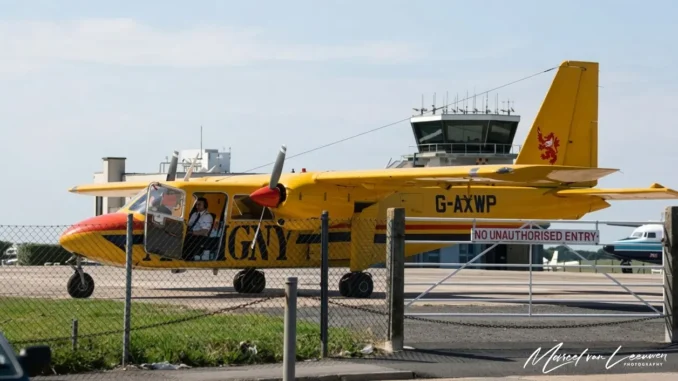
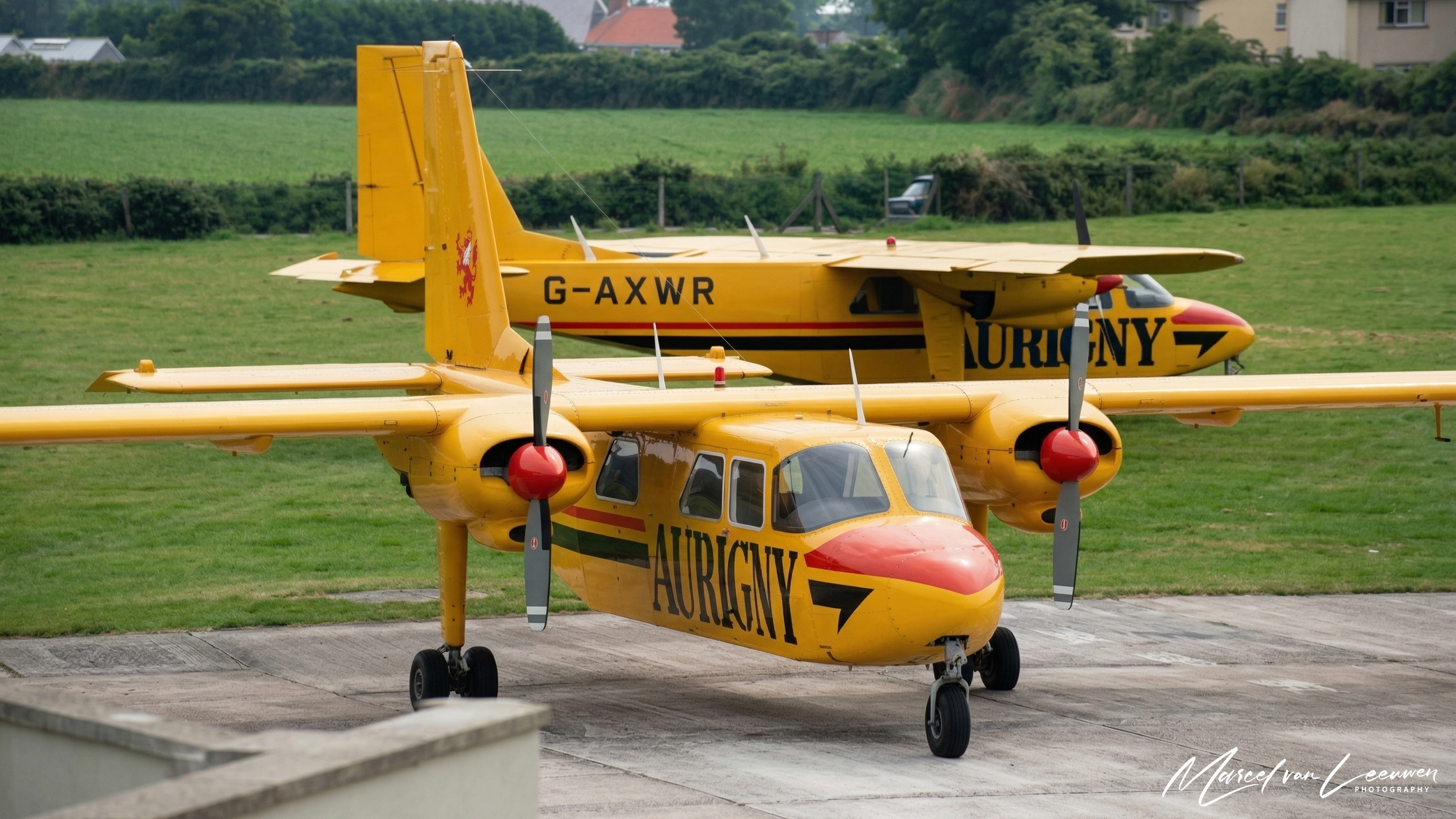
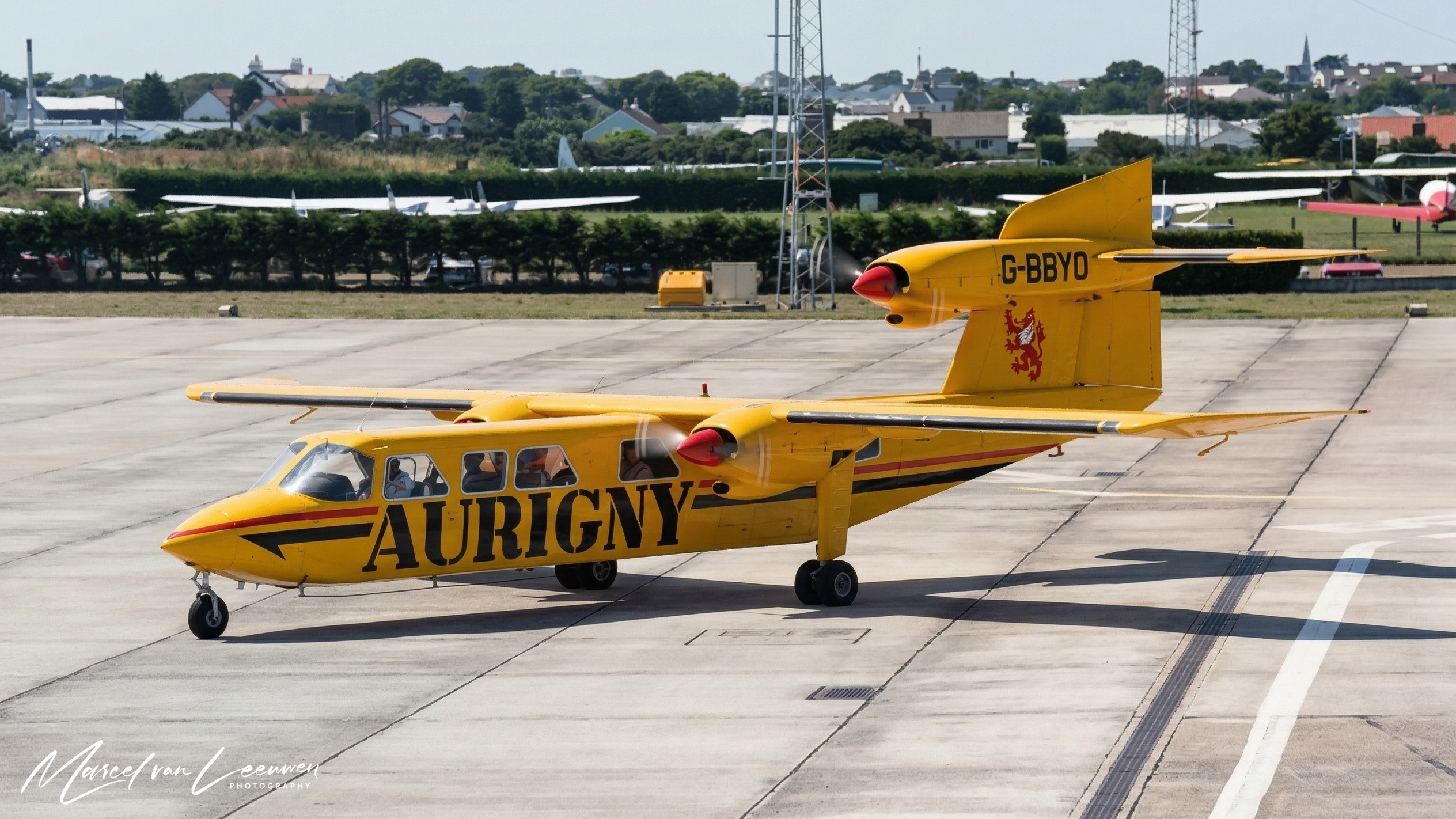
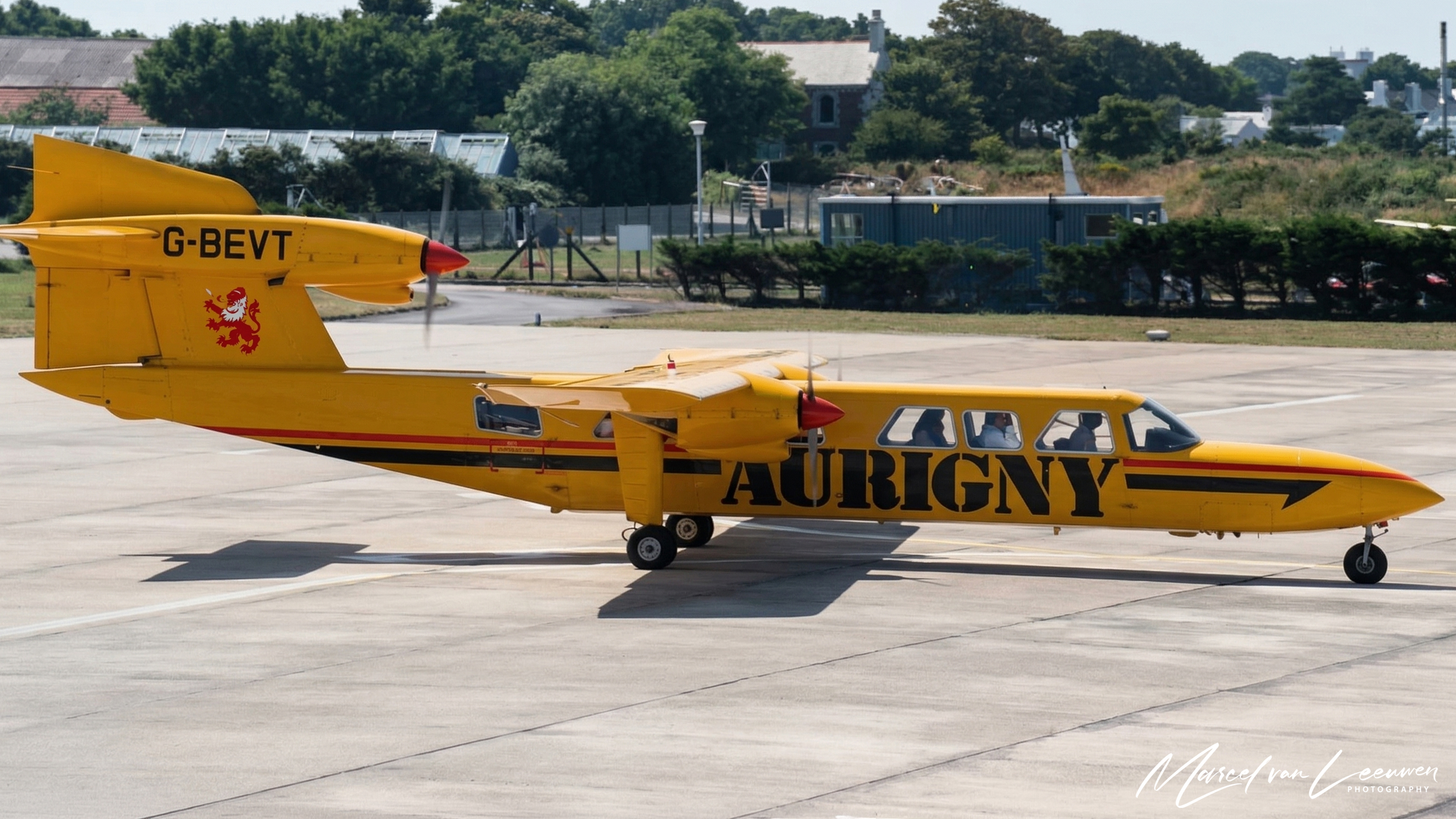
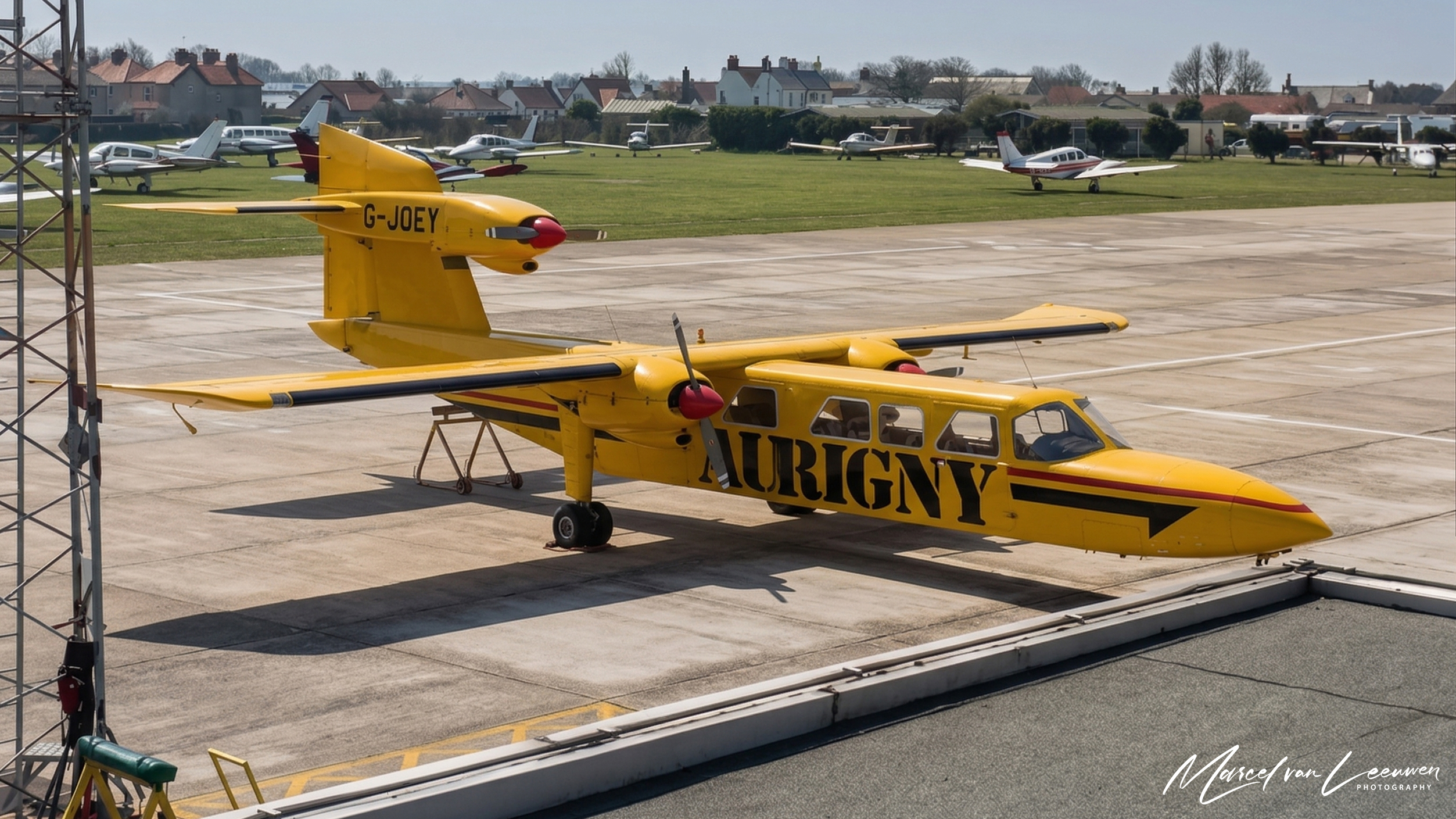
Britten-Norman-BN 2A 2 Islander Aurigny Air Services G-AXWP. M. van Leeuwen
Introduction
Guernsey Airport serves as the principal aviation gateway to the island of Guernsey in the Channel Islands. During the summers of 1987 and 1988, the airfield operated as a vital regional transport hub, accommodating bustling inter-island shuttles, mainland British scheduled services, seasonal tourist charters, and cargo traffic through its classic pre-war passenger facilities.
General Information about the Airport / Airfield at the Time of the Photo Report
Full Name: Guernsey Airport (Aéroport de Guernesey)
IATA Code: GCI
ICAO Code: EGJB
Address Information: La Villiaze, Forest, GY8 0DS, Guernsey, Channel Islands (located approximately 4.8 kilometers west-southwest of Saint Peter Port)
Operational Status (1987–1988): Active commercial international airport operating the original 1939 passenger terminal building and adjacent west terminal annexes
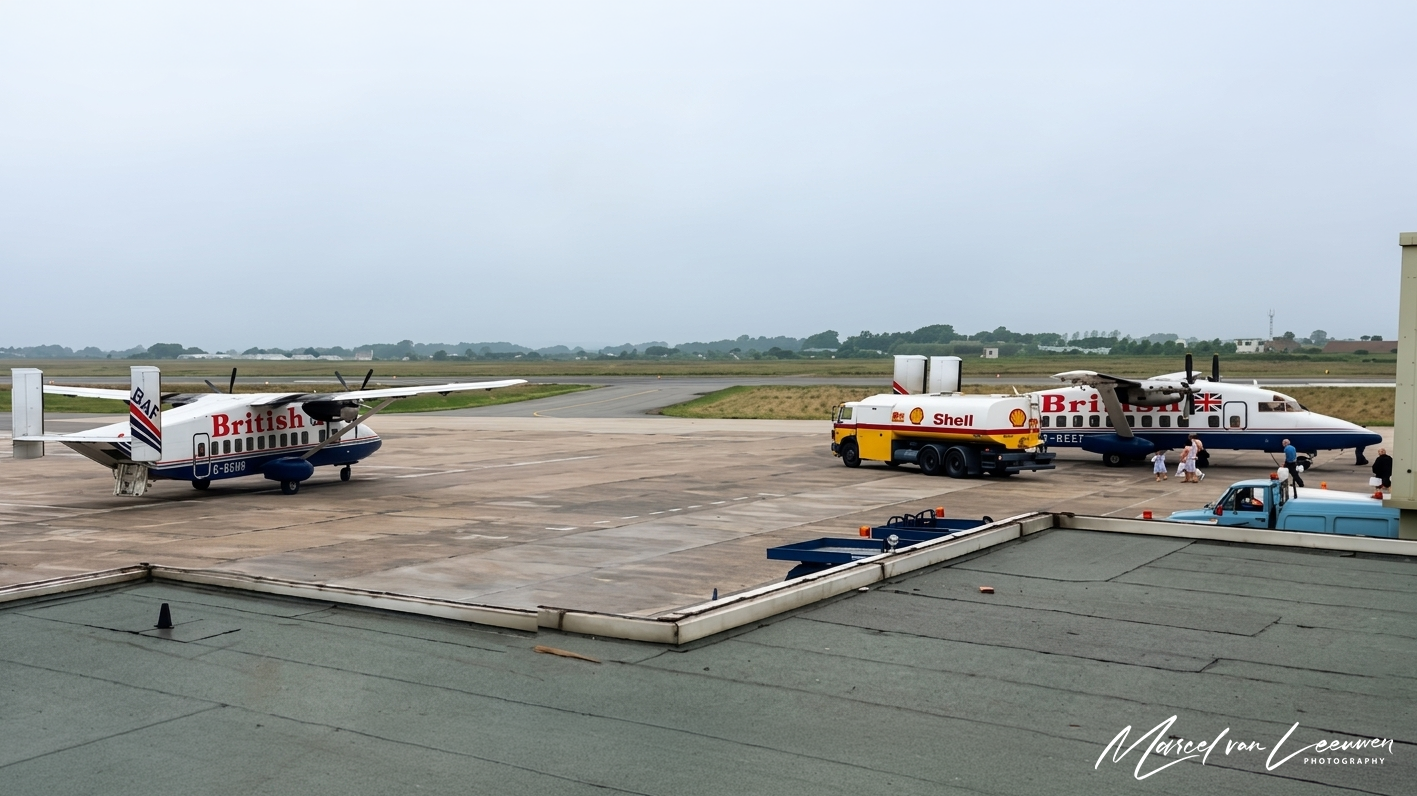
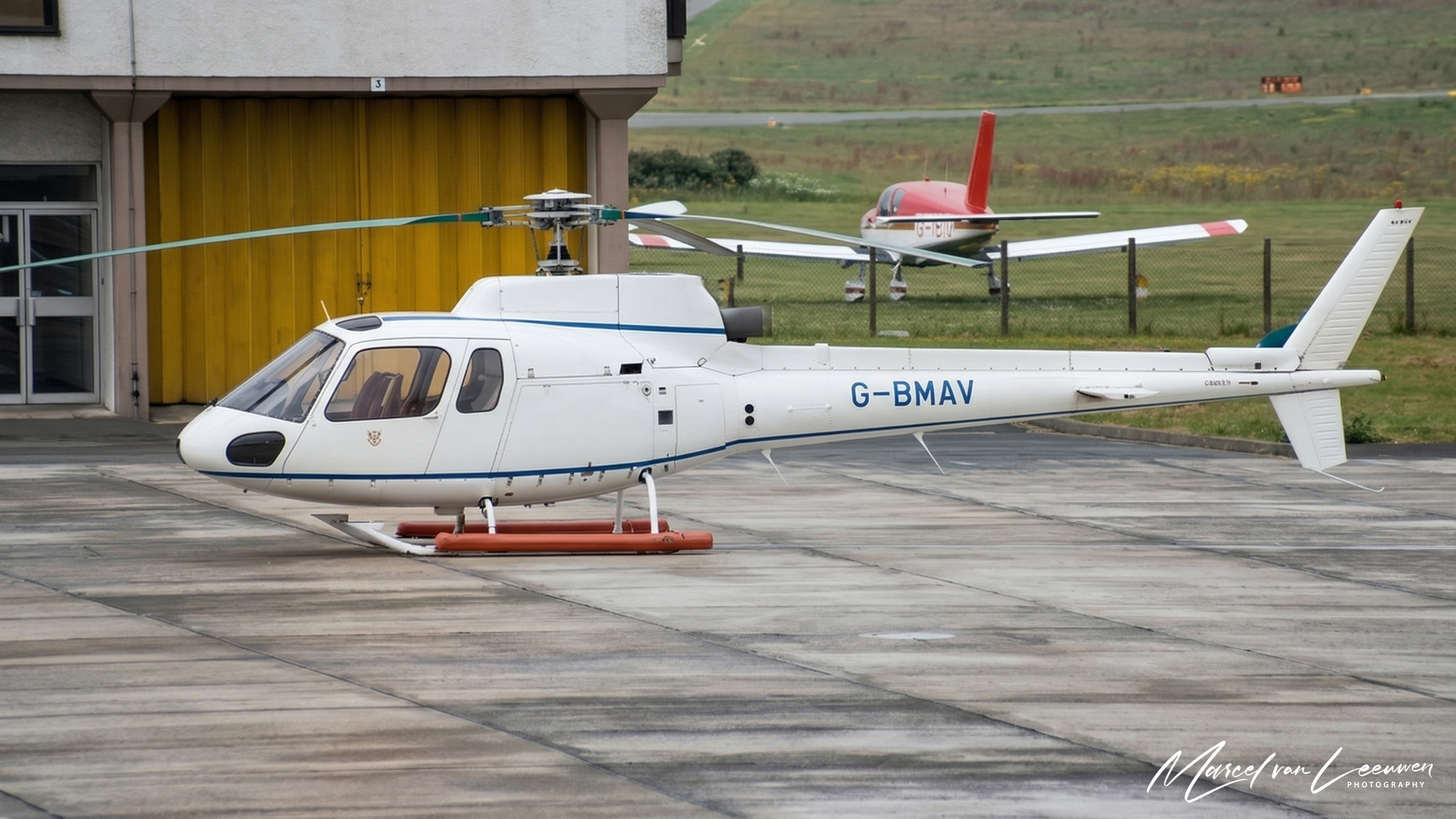
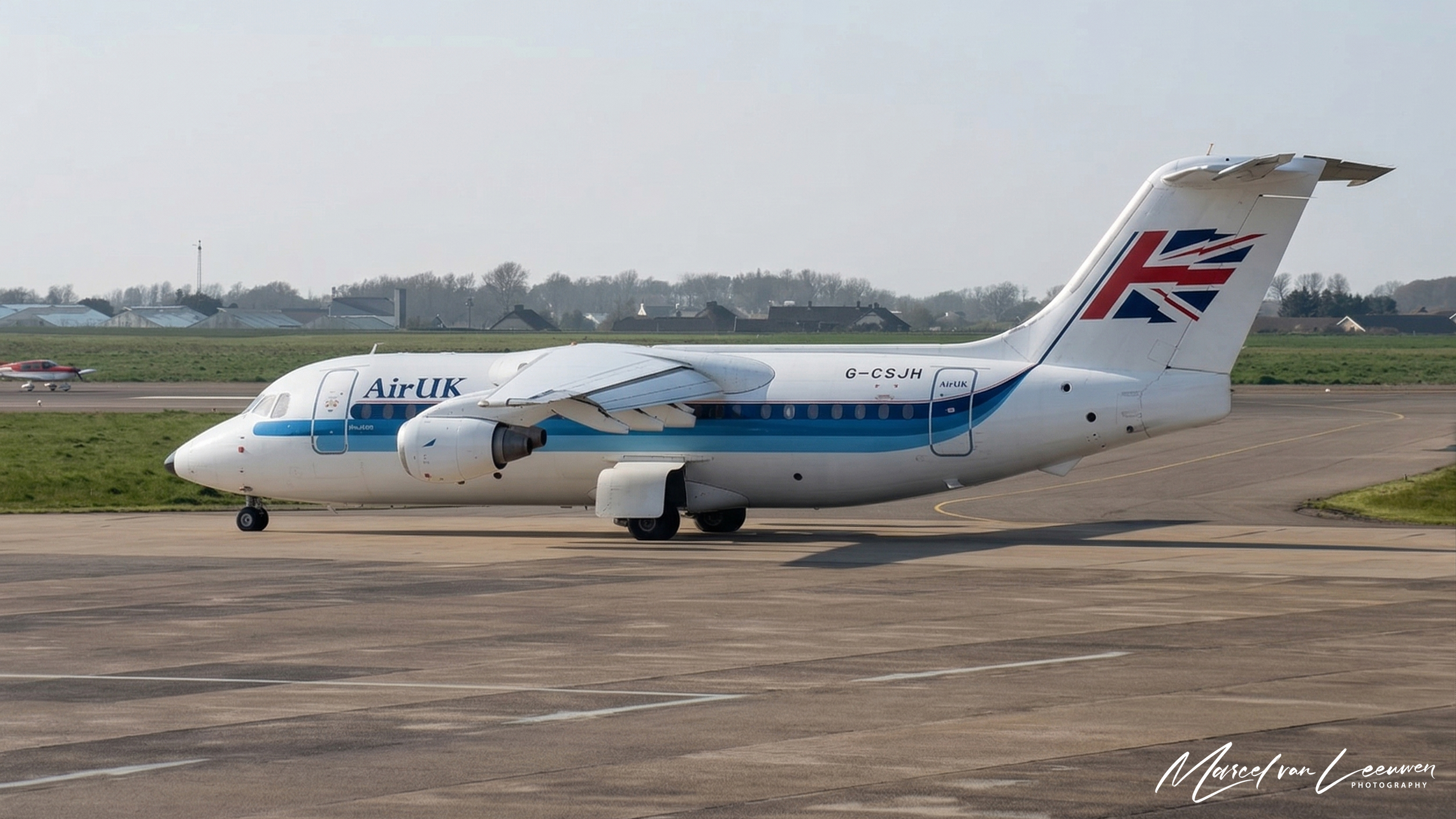
n.b. all photo’s above have been restored with help from Gemini AI and PhotoShop.
History: Key Facts
The States of Guernsey approved the construction of Guernsey Airport at La Villiaze in the parish of Forest, officially opening the site on 5 May 1939 to replace the flood-prone grass strip at L’Erée. During World War II, the airfield sustained German occupation forces before returning to civil administration after liberation in May 1945.
Post-war passenger numbers grew rapidly, prompting a major asphalt runway upgrade in 1974 and terminal extensions throughout the late 1970s. In the summers of 1987 and 1988, the original 1939 terminal handled dense holiday traffic. The airport served iconic Channel Islands operations, including the yellow Britten-Norman Trislander aircraft of Aurigny Air Services, alongside turboprop airliners operated by Air UK, Jersey European Airways, and Dan-Air. The historic pre-war terminal operated continuously until its demolition in 2004, when authorities constructed a modern replacement terminal on the airfield.
Specifications
Airfield Area: Approximately 135 hectares
Elevation: 102 meters above mean sea level
Runway Dimensions: Runway 09/27 measures 1,583 meters in length and 45 meters in width (landing distance available: 1,463 meters)
Runway Surface: Grooved asphalt
Primary Users (1987–1988):Aurigny Air Services, Air UK, Jersey European Airways, British Midland Airways, Brymon Airways, Dan-Air London, inter-island freight carriers, air ambulance services, and general aviation
Introduction London Heathrow Airport serves as the primary international aviation hub for the United Kingdom. Positioned along the northern perimeter, the Bath Road corridor offers unobstructed views of flight operations on the northern parallel runway. [Read More..]