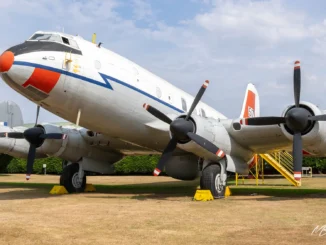
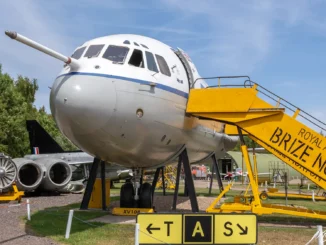
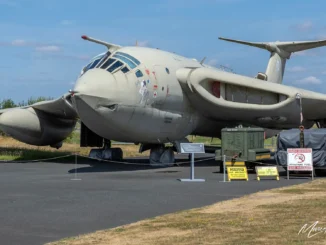
The National Museum of Flight preserves Scotland’s aeronautical heritage at East Fortune Airfield. Operated by National Museums Scotland, the facility showcases civilian and military aviation history spanning more than a century. It features over 50 complete historic aircraft, interactive engineering galleries, and Scotland’s only supersonic airliner, Concorde.
National Museum of Flight Fact Sheet: Scotland’s Premier Aviation Collection
General Information
Full Name of Museum: National Museum of Flight
Address: East Fortune Airfield, East Lothian, EH39 5LF, Scotland, United Kingdom
Managing Body:National Museums Scotland
Site Classification: Scheduled Monument (Historic Wartime Airfield)
The origin of the aeronautical collection dates to 1909, when the Royal Scottish Museum acquired Percy Pilcher’s pioneering Hawk glider. In 1971, the Ministry of Defence gifted a Supermarine Spitfire to the institution, creating an urgent requirement for dedicated storage and exhibition space.
The museum officially opened to the public in July 1975 at East Fortune Airfield, a former Royal Naval Air Service and Royal Air Force base active during both World Wars. The airfield gained historic fame in July 1919 when the British airship R34 departed the site to complete the first east-to-west transatlantic aerial crossing.
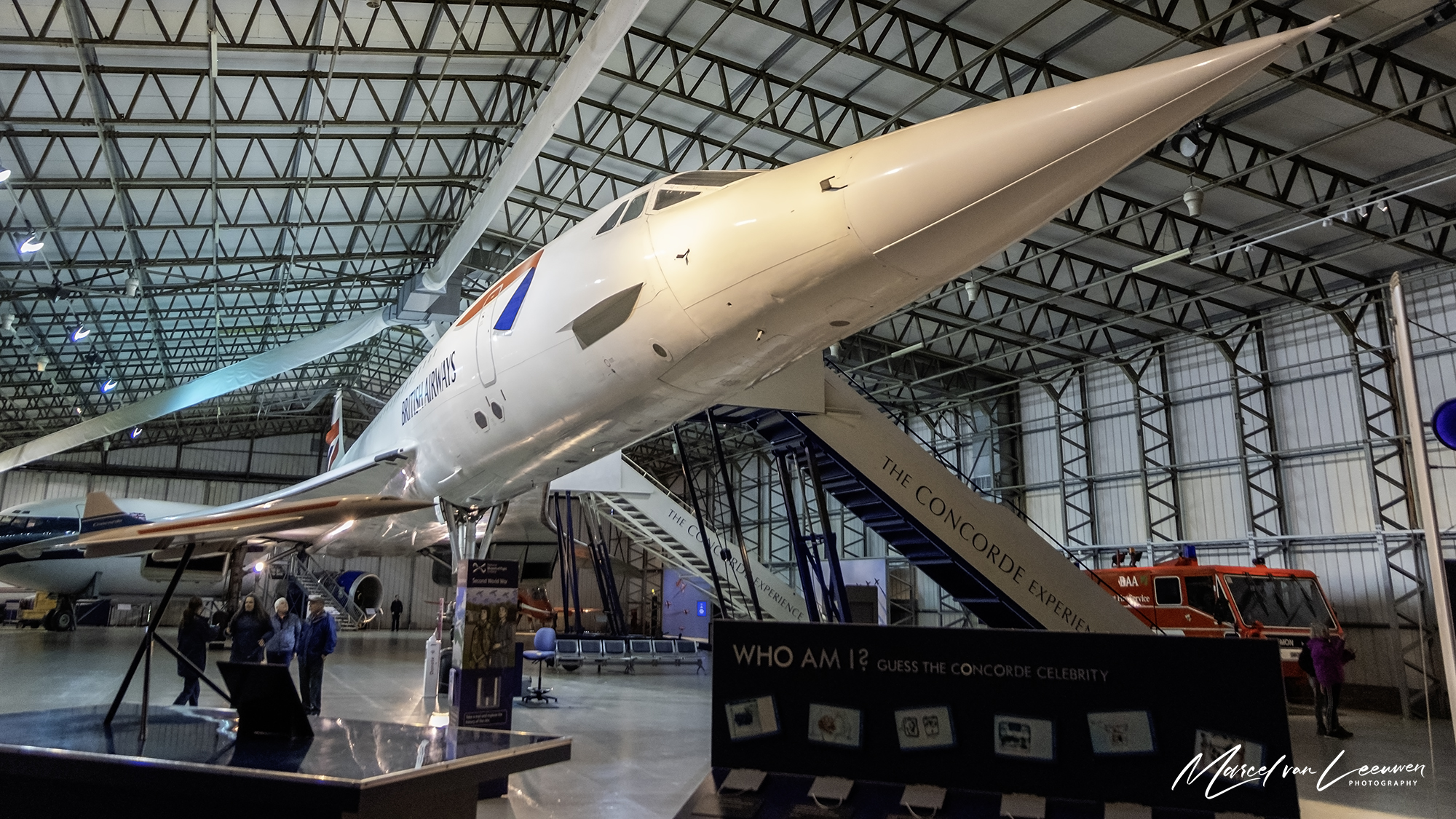
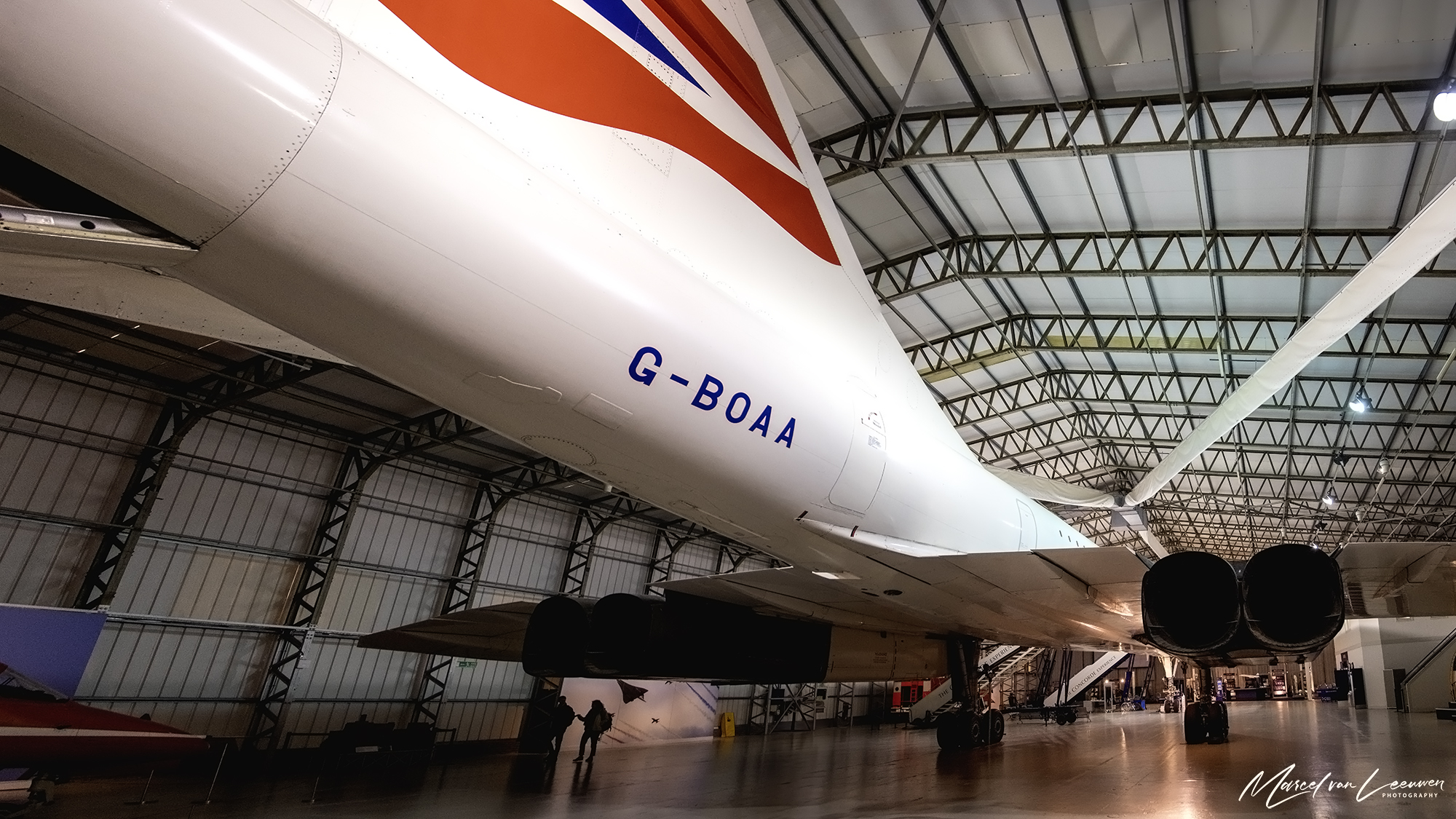
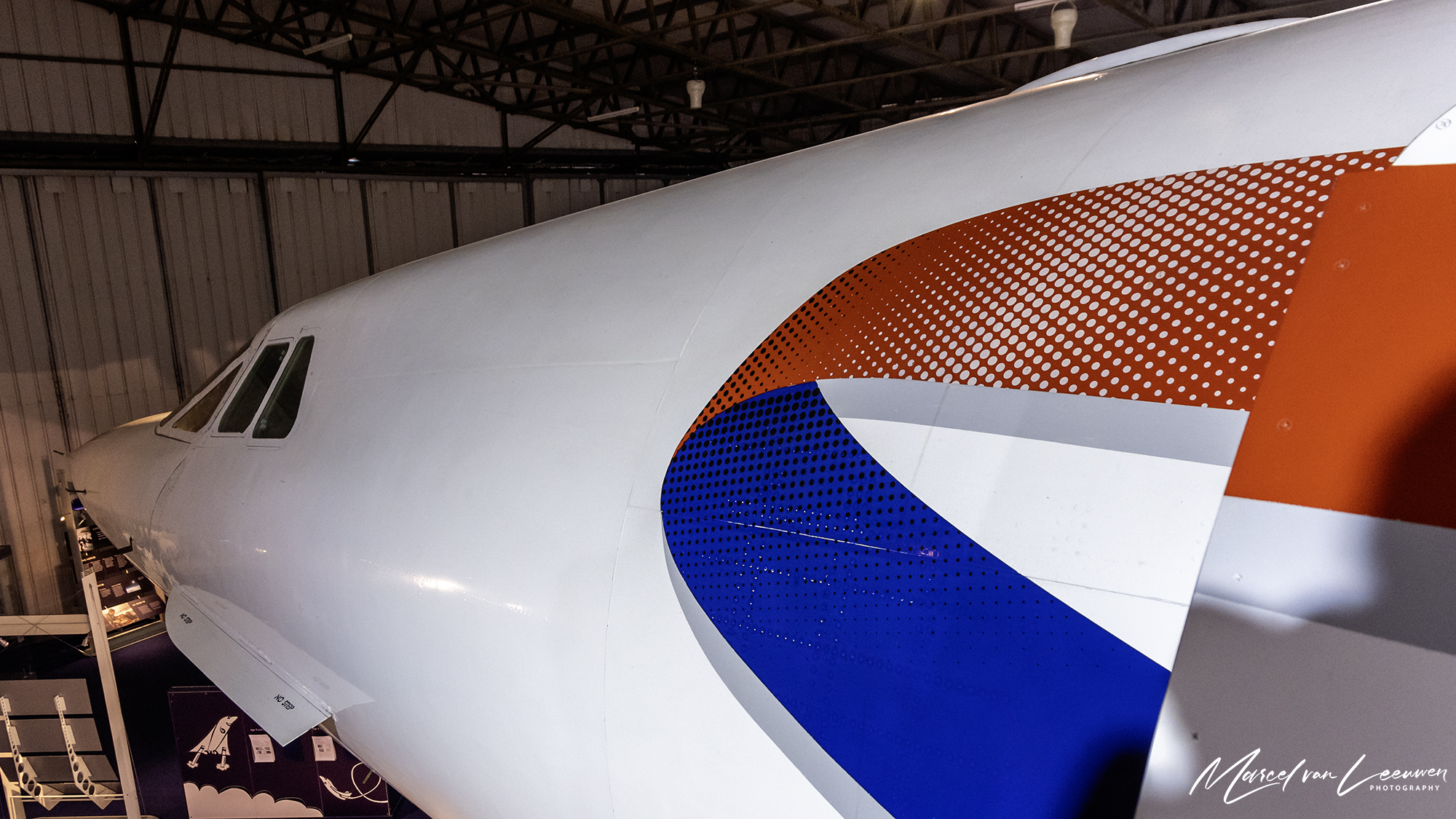
In April 2004, the site acquired Aérospatiale-BAC Concorde G-BOAA, establishing the dedicated “Concorde Experience” exhibition and cementing the airfield as one of Northern Europe’s primary aviation museums.
Collections: Indoor and Outdoor
Current Indoor Collections:
Military Aviation Hangar: Houses wartime piston-engine and jet fighters, detailing aerial combat development.
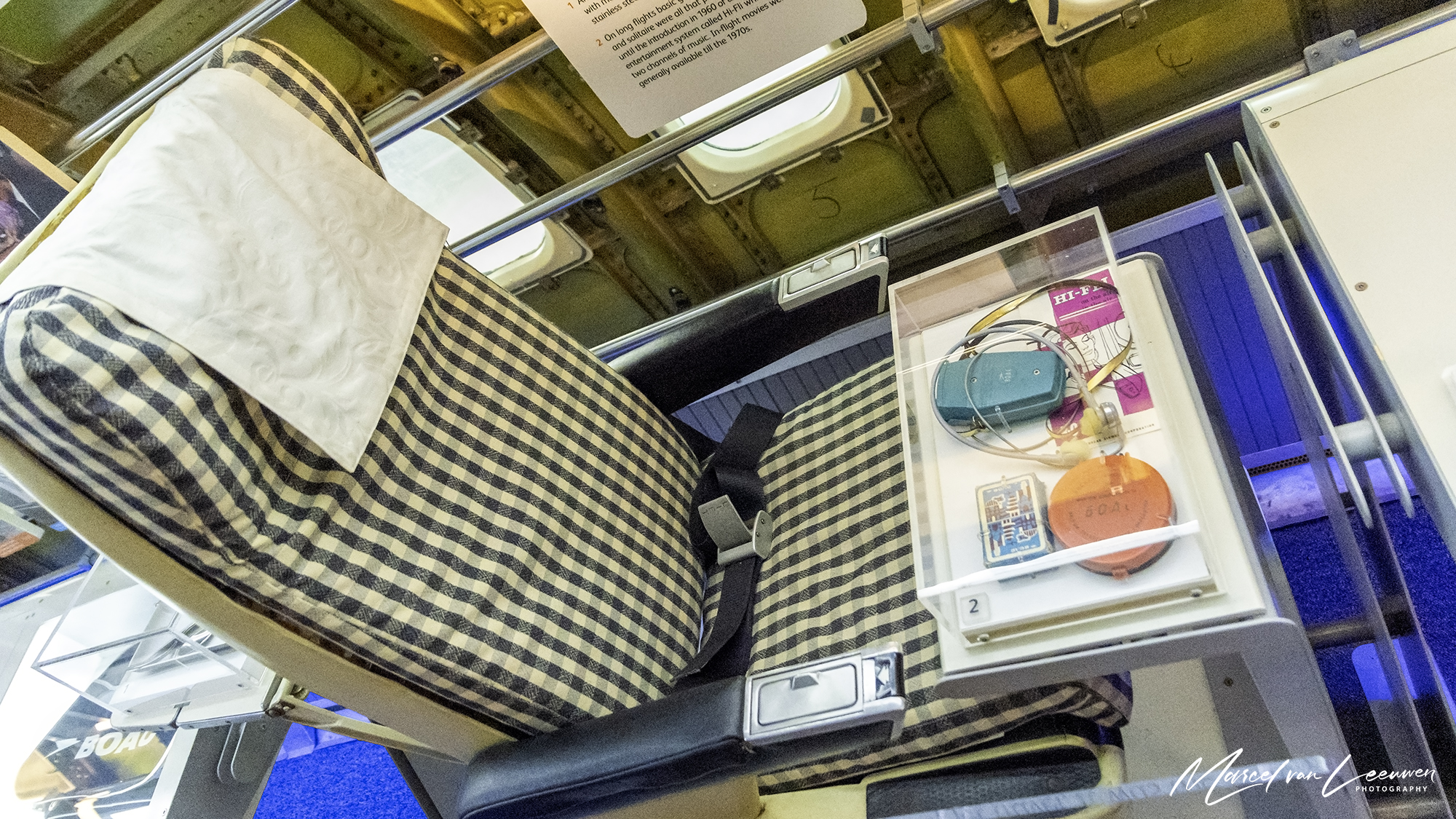
Civil Aviation Hangar: Focuses on passenger transport, regional island air links, and commercial travel history.
The Concorde Experience (Hangar 4): Displays Concorde G-BOAA alongside the “Jet Age” passenger transport exhibition.
Fantastic Flight: An interactive educational gallery demonstrating principles of aerodynamics, lift, and aircraft systems.
Parachute Store: Restored historic station building detailing wartime personnel operations at RAF East Fortune.
Current Outdoor Collections:
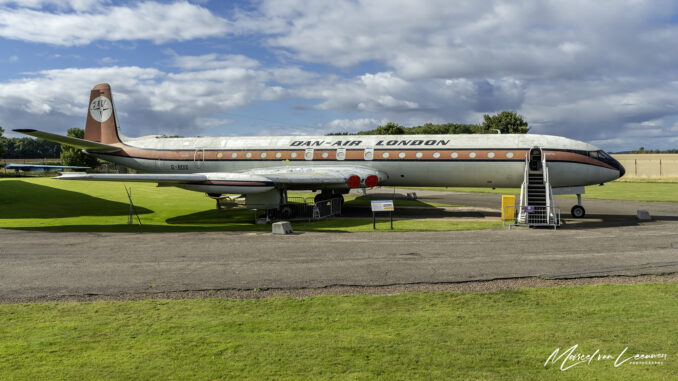
Large airframes positioned across the hardstanding tarmac, including an Avro Vulcan strategic bomber and a de Havilland Comet 4C airliner.
Former Aircraft:
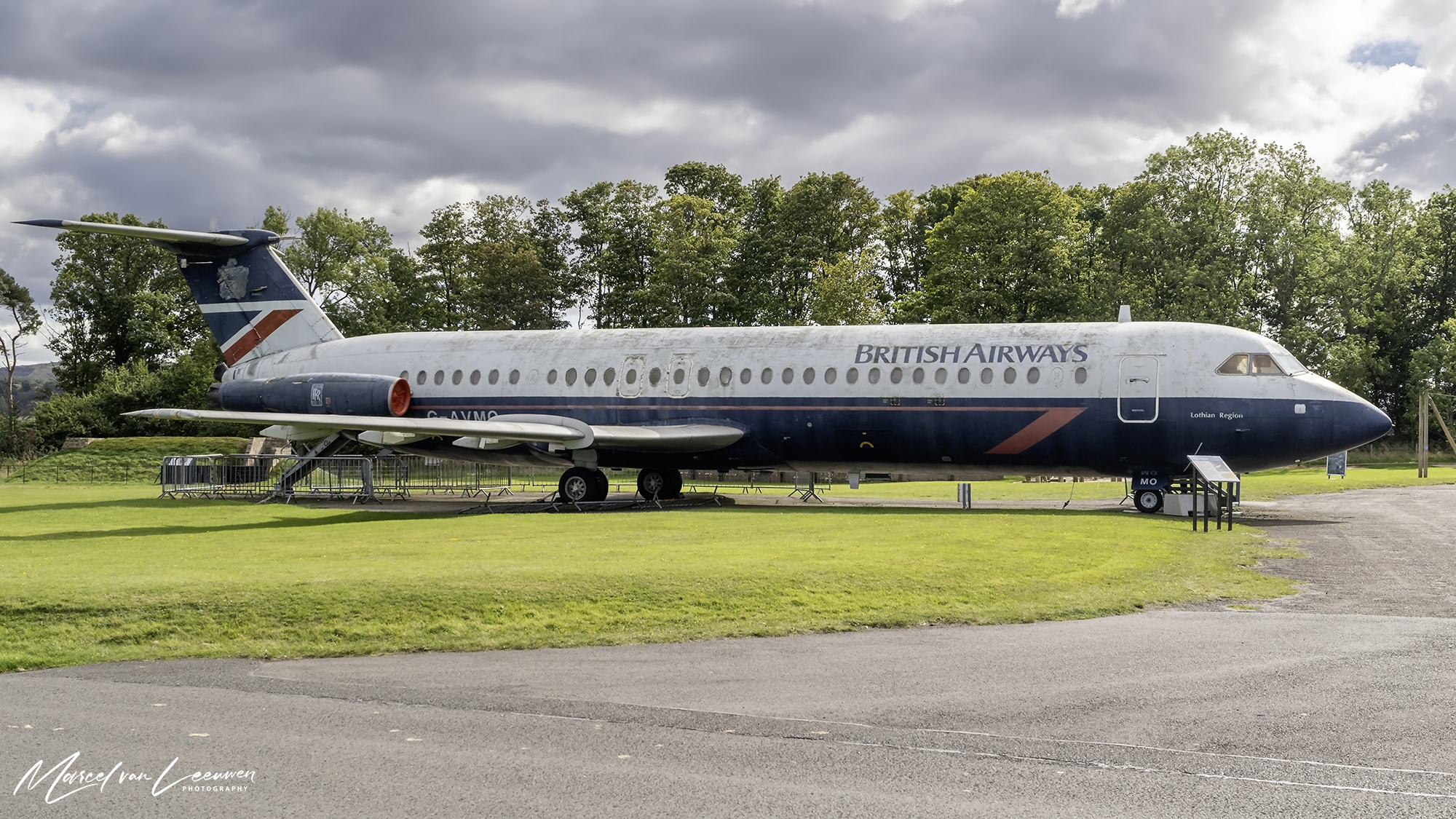
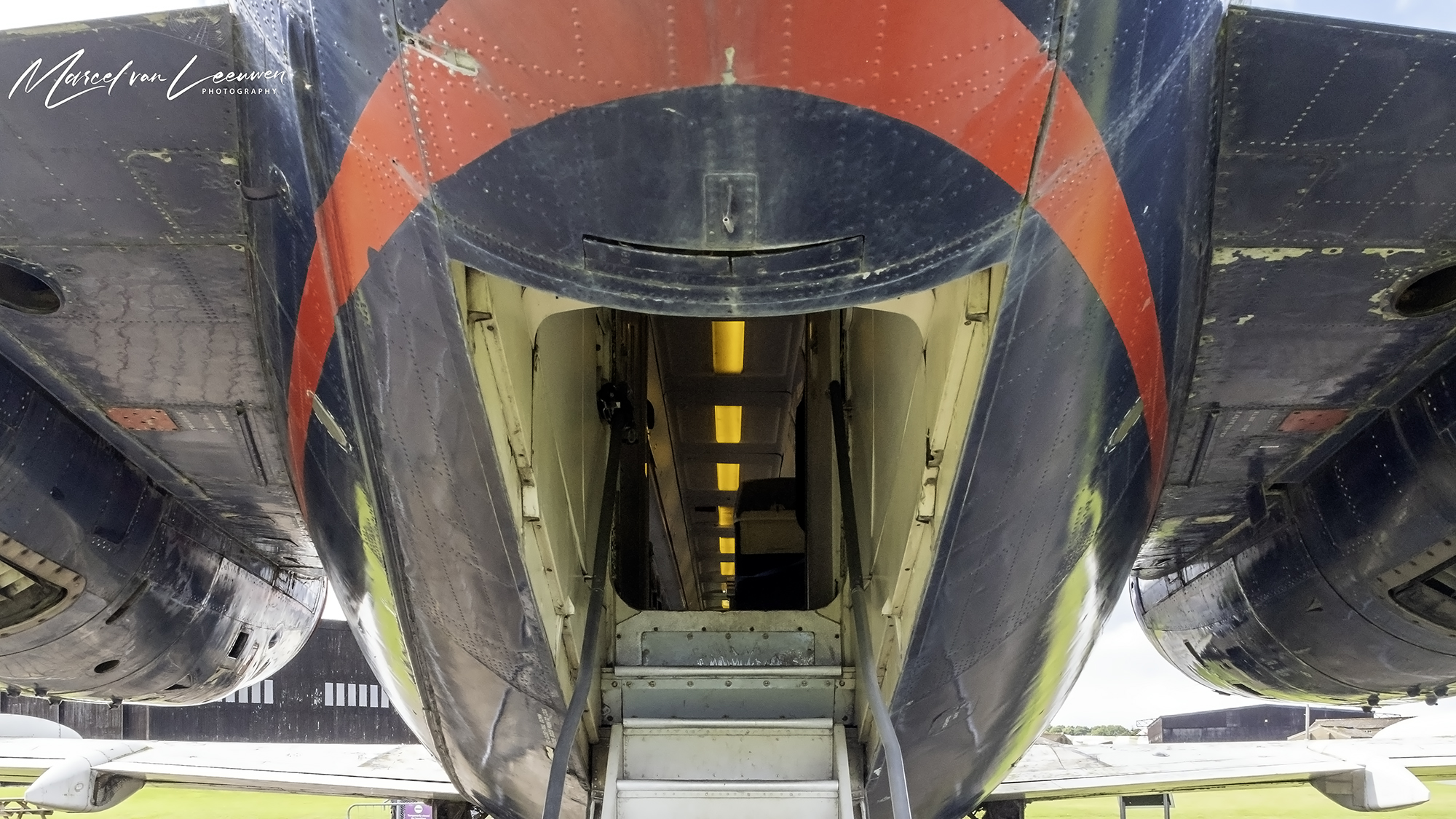
BAC 1-11 510ED (Registration G-AVMO, formerly on long-term outdoor display, dismantled and removed in 2026).
Specifications
Key Aircraft in Collection:
Aérospatiale-BAC Concorde (G-BOAA, “Alpha Alpha”)
Supermarine Spitfire LF.XVIe (TE462)
Avro Vulcan B.2A (XM597, veteran of the 1982 Falklands War Operation Black Buck)
de Havilland Comet 4C (G-BDIX)
Boeing 707-436 (G-APFJ, forward fuselage section)
Messerschmitt Me 163B-1a Komet (Rocket-powered interceptor)
Hawker Siddeley Harrier (XV277, GR.1 derivative)
English Electric Lightning F.2A (XN776)
Panavia Tornado F.3 (ZE934)
BAE Systems Hawk T.1A (XX308, Red Arrows livery)
Site Dimensions and Facilities:
Total Airfield Area: Occupies a preserved military site of approximately 66 hectares.
Exhibition Space: Comprises four primary wartime hangars (each spanning approximately 2,800 square meters) alongside secondary operational buildings.
Collection Metrics: Contains over 50 complete aircraft, dozens of aero-engines, uncrewed aerial vehicles, and historical aviation archives.
Collection Quality and Operations:
Holds national-priority status with internationally recognized preservation and conservation standards.
Managed by accredited professional staff (curators, certified aviation conservators, and operations teams) through National Museums Scotland, assisted by dedicated site volunteers.
Introduction The Newark Air Museum preserves a diverse and expanding collection of historic aircraft, aviation artifacts, and cockpit sections. Situated on a former Second World War Royal Air Force airfield in Nottinghamshire, the independent museum [Read More..]
Introduction The East Midlands Aeropark preserves significant British aviation heritage adjacent to an active commercial hub. Located in Leicestershire, the museum displays an extensive collection of retired military aircraft, regional airliners, aero-engines, and cockpit sections, [Read More..]
Introduction The Yorkshire Air Museum preserves a major collection of historic aircraft, military vehicles, and operational Second World War buildings. Situated on a former Royal Air Force bomber station in North Yorkshire, the museum functions [Read More..]