Long-Range Wide-Body Airliner and Heavy Freighter
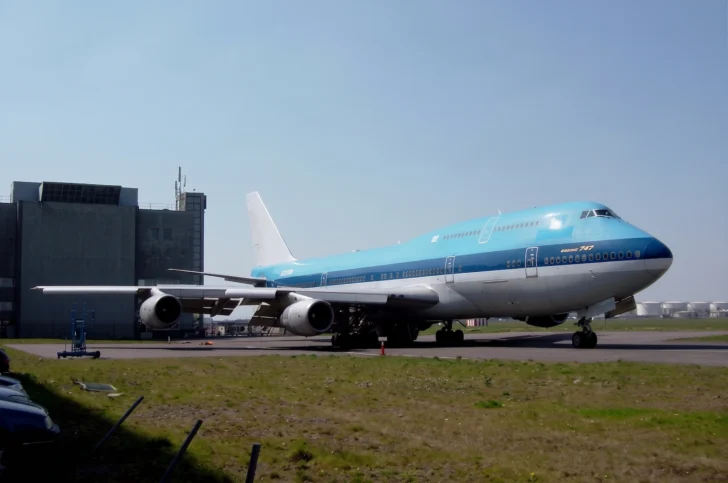
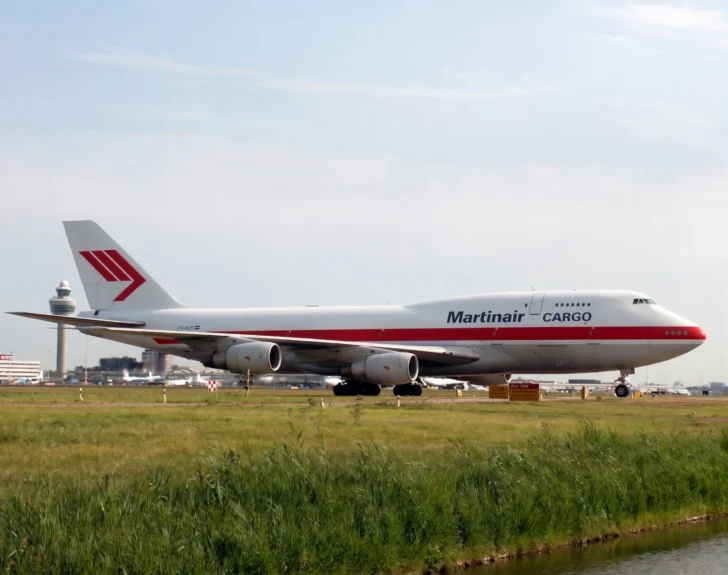
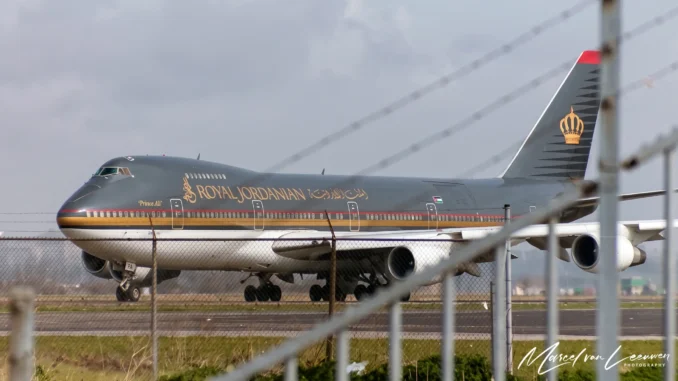
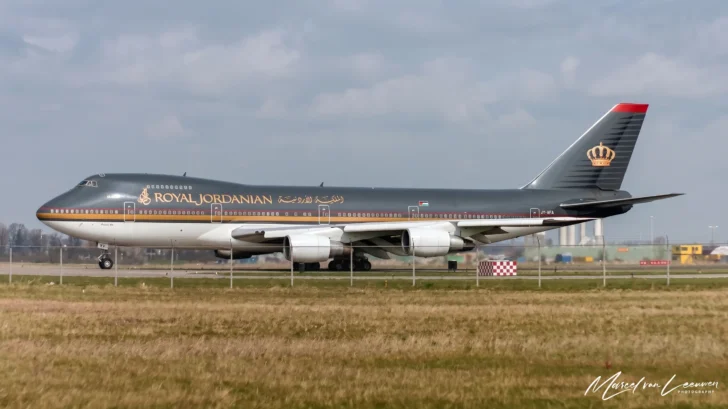
The Boeing 747-200 is a long-range, four-engine wide-body jet airliner and cargo aircraft developed by Boeing Commercial Airplanes as the enhanced second-generation successor to the original Boeing 747-100. Featuring higher maximum takeoff weights, increased fuel capacity, and multiple high-bypass turbofan engine options, the variant established true intercontinental reliability across global passenger and freight networks.
General Information
- Type: Wide-body commercial jet airliner and freighter
- Manufacturer: Boeing Commercial Airplanes (United States)
- First Flight: October 11, 1970
- Status: Retired from commercial passenger service; active in limited cargo and military service
- Primary Users: KLM, Pan Am, Lufthansa, British Airways, Japan Airlines, Qantas, Northwest Airlines, Air France, Korean Air, United States Air Force
- Number Built: 393 (across all commercial and military variants)
History
Following the launch of the original Boeing 747-100 in 1966, international airlines requested an airframe capable of carrying heavier payloads over longer non-stop distances, particularly across the Pacific and Europe-to-Asia corridors. Boeing officially launched the Boeing 747-200 program in 1968, receiving its first order in December 1968.
During development, Boeing engineers reinforced the wing and landing gear structures to handle higher gross weights while expanding center-wing fuel tankage. Unlike the initial 747-100, which relied exclusively on Pratt & Whitney engines, the 747-200 was developed in coordination with three major engine manufacturers—Pratt & Whitney, General Electric, and Rolls-Royce—allowing airlines to maintain engine commonality with their existing fleets. The prototype rolled out of the Everett factory in Washington on September 10, 1970, completed its maiden flight on October 11, 1970, and entered commercial service with launch customer KLM in 1971. Production continued until 1991, ending with the delivery of final military airframes.
Design
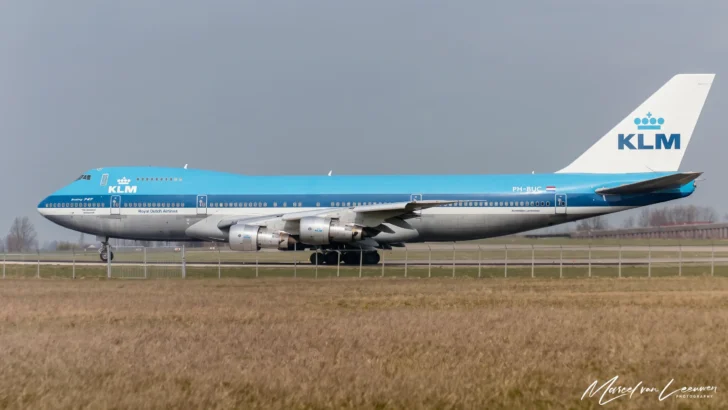
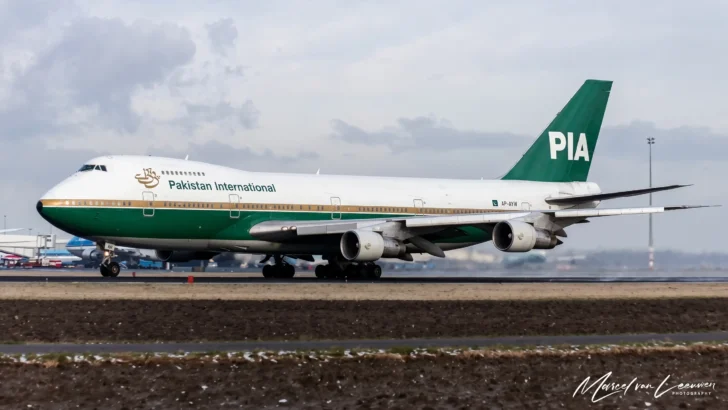
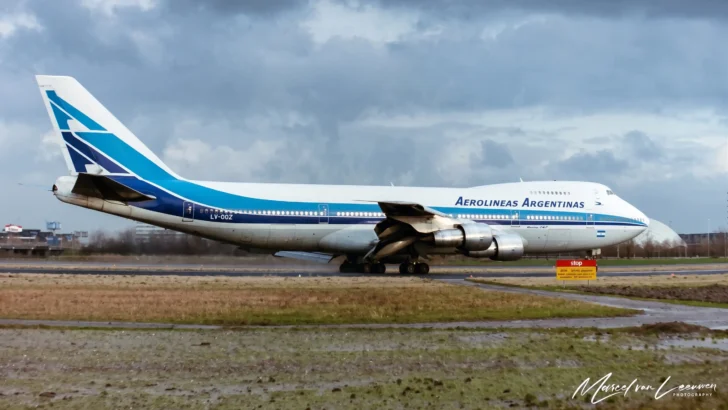
The Boeing 747-200 retained the signature double-deck forward fuselage, raised cockpit, and swept-wing configuration of the early 747 family. Most production models featured ten upper-deck cabin windows per side, distinguishing them visually from early 747-100 aircraft that featured three windows per side. The flight deck required a three-person crew consisting of a captain, first officer, and flight engineer.
Structurally, the aircraft incorporated thickened wing skins, strengthened fuselage frames, and upgraded main landing gear assemblies to support maximum takeoff weights up to 377,800 kg. Operators could select between four Pratt & Whitney JT9D, General Electric CF6-50, or Rolls-Royce RB211-524 high-bypass turbofan engines. In cargo configurations, the airframe featured a reinforced main deck floor and an upward-hinging nose cargo door capable of accommodating standard 2.44-meter-high pallets.
Operational Impact
The Boeing 747-200 outsold the original 747-100 by more than two to one and transformed international long-haul aviation during the 1970s and 1980s. Its extended range enabled airlines to eliminate technical fuel stops on transoceanic routes such as Tokyo to New York and London to Singapore.
In the air freight sector, the dedicated 747-200F established standardized high-capacity intercontinental cargo transport through its nose-loading capability and 100-tonne payload capacity. Additionally, the airframe’s structural reliability led the United States Air Force to select modified 747-200B airframes as the basis for the VC-25A presidential transport and the E-4B airborne command post.
Variants
- 747-200B: The primary baseline passenger model featuring increased fuel capacity, higher thrust engines, and extended range (225 built).
- 747-200F: A dedicated factory-built freighter equipped with a hinged nose cargo door, an optional side cargo door, and a reinforced main deck (73 built).
- 747-200C: A convertible model fitted with removable passenger seats and a nose cargo door, enabling rapid conversion between passenger and freight roles (13 built).
- 747-200M (Combi): A mixed passenger-freight aircraft with a rear main-deck side cargo door and a movable bulkhead separating forward passenger seating from aft cargo pallets (78 built).
- 747-200B (SUD): Existing 747-200B airframes retrofitted by Boeing with the stretched upper deck introduced on the 747-300.
- Military Variants (E-4A/B and VC-25A): Four specialized airframes built for the United States Air Force for airborne command and executive transport missions.
Operators
- Current: Active operations are restricted to specialized military and niche cargo carriers. The United States Air Force operates two VC-25A presidential aircraft and four E-4B command posts. A small number of 747-200F freighters remain active with charter cargo airlines such as Aerostan.
- Former: Major historic commercial operators included KLM, Pan Am, British Airways, Lufthansa, Japan Airlines, Air France, Qantas, Northwest Airlines, United Airlines, Korean Air, Cathay Pacific, Alitalia, Iberia, Cargolux, and Iran Air (which operated the final commercial passenger flight in May 2016).
- Future: No new orders or future commercial operators exist. The United States Air Force plans to replace its remaining VC-25A and E-4B fleets with modified Boeing 747-8 airframes.
Specifications
General Characteristics
- Flight Crew: 3 (Captain, First Officer, Flight Engineer)
- Length: 70.66 m
- Wingspan: 59.64 m
- Height: 19.33 m
- Wing Area: 511 m²
- Cabin Width: 6.13 m
- Operating Empty Weight: 170,630 – 176,000 kg (747-200B)
- Maximum Takeoff Weight (MTOW): 351,500 – 377,800 kg
- Maximum Landing Weight: 255,800 – 286,000 kg
- Fuel Capacity: 196,970 – 198,390 L
- Powerplant: 4 × Pratt & Whitney JT9D-7, General Electric CF6-50E2, or Rolls-Royce RB211-524 high-bypass turbofans (206.0 – 243.5 kN thrust each)
Performance
- Cruise Speed: 895 – 910 km/h (Mach 0.84 – 0.85)
- Maximum Operating Speed: Mach 0.92
- Range: 12,150 km (with typical passenger payload)
- Service Ceiling: 13,750 m
- Takeoff Field Length (at MTOW): 3,190 – 3,320 m
- Landing Field Length: 1,890 m
Passenger Layout
- Typical Three-Class Configuration (747-200B): 366 passengers
- Typical Two-Class Configuration (747-200B): 423 passengers
- High-Density One-Class Configuration (747-200B): Up to 490 passengers
- Combi Configuration (747-200M): Up to 238 passengers (three-class) plus main-deck cargo pallets
The Boeing 747-200 bridged the gap between early wide-body jets and modern ultra-long-haul airliners by combining high passenger capacity with intercontinental range and multi-vendor engine flexibility. Following the retirement of the final commercial passenger unit in 2016, the aircraft transitioned from frontline airline service into aviation history. Over the coming decade, the remaining military VC-25A and E-4B airframes will be retired as next-generation platforms enter service, bringing more than fifty years of operational duty to a close.