Introduction
London Heathrow Airport serves as the principal international aviation hub for the United Kingdom. Positioned along the northern perimeter, the Bath Road corridor provides clear vantage points for observing flight operations on the northern parallel runway. On 22 July 2024, this location captured high-density international wide-body and narrow-body movements during the peak summer travel season.
General Information about the Airport / Airfield
- Full Name: London Heathrow Airport
- IATA Code: LHR
- ICAO Code: EGLL
- Airport Address: Heathrow Airport, Longford, Hounslow, Greater London, TW6 2GW, United Kingdom
- Observation Location: Car park of Premier Inn London Heathrow Airport T2 & T3, 15 Bath Road, Hounslow, Greater London, TW6 2AB, United Kingdom




History: Key Facts
London Heathrow Airport originated in 1929 as a small airfield known as the Great West Aerodrome. The British government requisitioned the farmland during World War II to develop a military transport base. The facility transferred to civil control, officially opening for scheduled commercial operations on 25 March 1946.
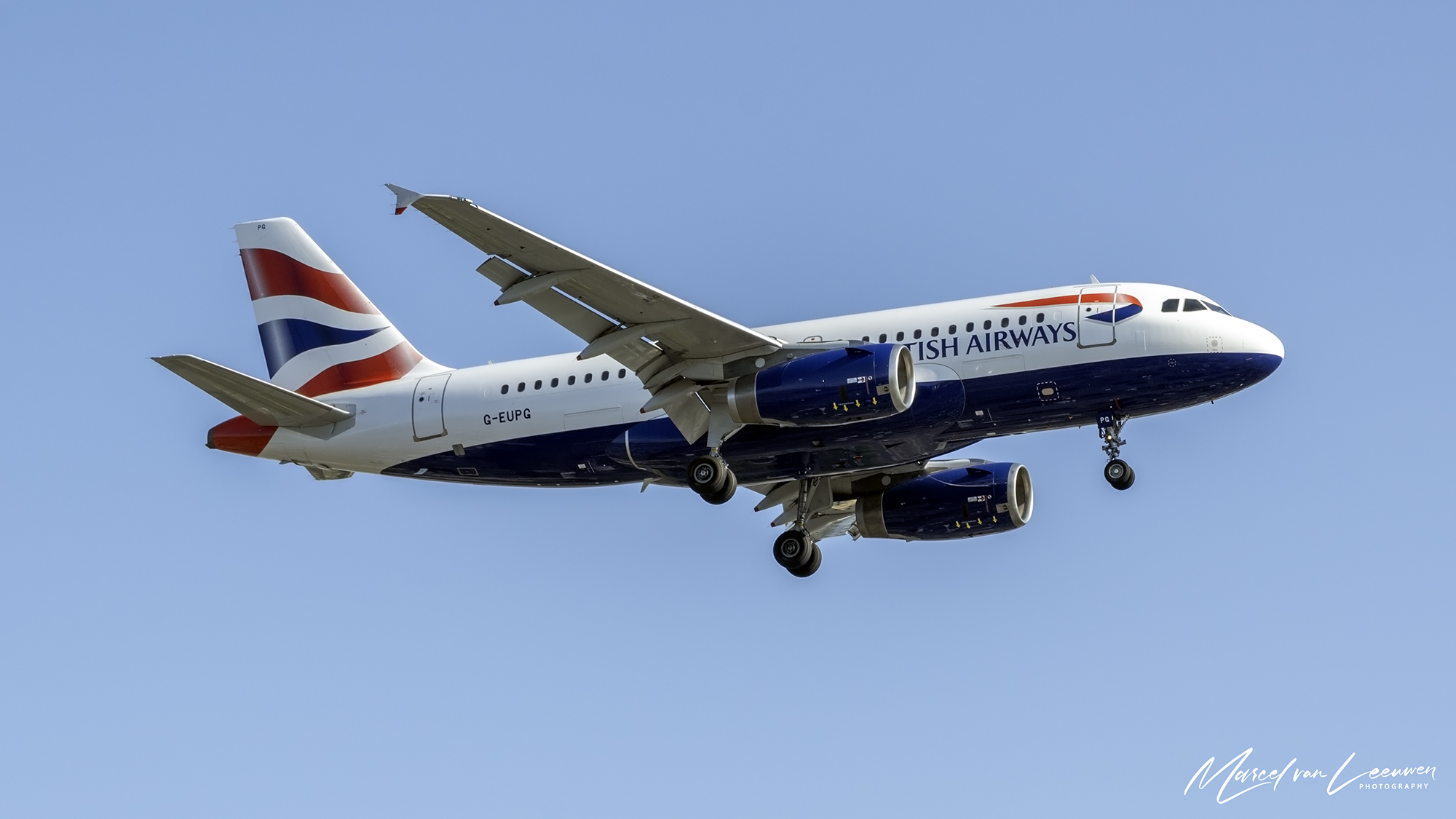
Post-war passenger expansion drove the phased opening of the central terminal area in 1955, followed by Terminal 4 in 1986 and Terminal 5 in 2008. Situated directly along the Bath Road (A4), the Premier Inn car park has established a reputation among aviation enthusiasts and photographers as a premier public vantage point overlooking taxiway movements and aircraft arrivals on the northern runway. By July 2024, Heathrow operated four passenger terminals (Terminals 2, 3, 4, and 5) while supporting heavy international traffic recovery across global networks.
Specifications
- Airfield Area: 1,227 hectares (12.27 square kilometers)
- Airfield Elevation: 25 meters above mean sea level
- Northern Runway (09L/27R): 3,902 meters in length and 50 meters in width (grooved asphalt concrete; the longest active runway in the UK)
- Southern Runway (09R/27L): 3,658 meters in length and 50 meters in width (grooved asphalt concrete)
- Passenger Terminals: Four operational terminals (Terminal 2, Terminal 3, Terminal 4, and Terminal 5)
- Primary Users: British Airways (primary hub at Terminal 5 and Terminal 3), Virgin Atlantic (Terminal 3), major global carriers across oneworld, Star Alliance, and SkyTeam, alongside dedicated cargo operators
- Passenger Volume: Handled a record 83.9 million passengers during the 2024 calendar year, averaging over 7 million monthly travelers during the summer peak
- Aircraft Movements: Facilitated over 450,000 annual flight movements, maintaining high-frequency daily rotations across international corridors
- Runway Operations: Dual-runway segregated mode operating alternating departure and arrival configurations between 09L/27R and 09R/27L to regulate community noise emissions
- Future Plans: Long-term infrastructure projects involve terminal sustainability updates under the Heathrow 2.0 net-zero strategy, digitized baggage sorting upgrades, next-generation security screening lanes, taxiway layout efficiencies, and ongoing policy reviews regarding potential future runway expansion frameworks.