Introduction
The De Havilland DH-106 Comet made history as the world’s first production commercial jet airliner. Entering scheduled service in 1952, it revolutionized passenger aviation with unprecedented speed, high-altitude capability, and a quiet, pressurized cabin. Despite early catastrophic structural setbacks, redesigns established vital engineering principles for all modern jet transports.
General Information
- Type: Narrow-body commercial jet airliner
- Manufacturer: de Havilland
- First Flight: 27 July 1949
- Status: Retired
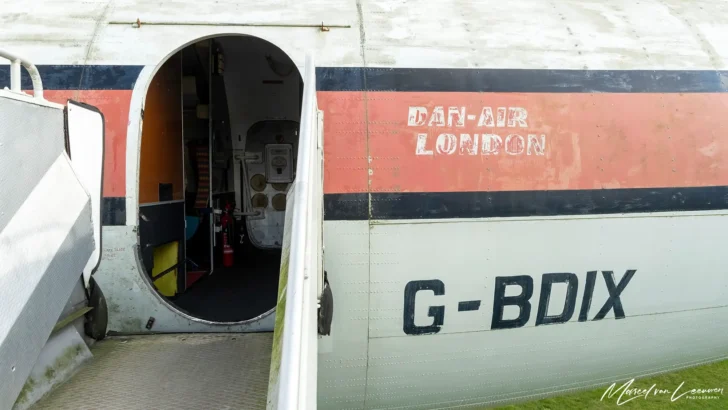
- Primary Users: BOAC (British Overseas Airways Corporation), British European Airways (BEA), Dan-Air, Royal Air Force (RAF), Aerolíneas Argentinas
- Number Built: 114 units (including prototypes)
History
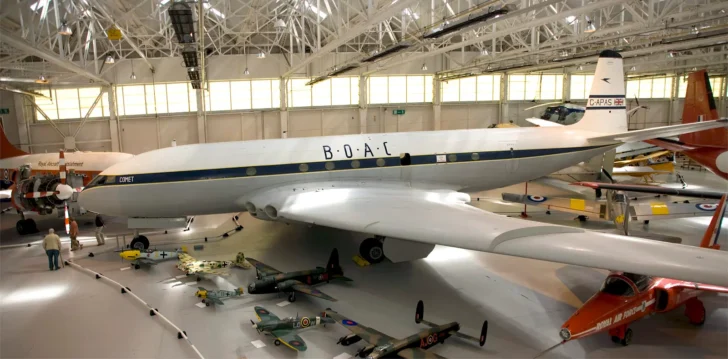
In 1943, the British government established the Brabazon Committee to anticipate postwar commercial air transport demands. Committee member Sir Geoffrey de Havilland lobbied for the development of a pure jet-powered mail and passenger aircraft, codified as the Type IV requirement. In 1945, the Ministry of Supply awarded the design contract to de Havilland, designated internally as the DH-106.
Led by chief designer Ronald Bishop, the engineering team initiated active development in 1946. The prototype made its maiden flight on 27 July 1949 with chief test pilot John Cunningham at the controls. On 2 May 1952, flag carrier BOAC launched the world’s first revenue jet passenger service on the London–Johannesburg route.
Operational service faced disruption after in-flight structural breakups between 1953 and 1954 grounded the fleet. An exhaustive investigation led by the Royal Aircraft Establishment at Farnborough discovered severe metal fatigue caused by repeated cabin pressurization cycles. Stress concentrations around square window cutouts and fuselage apertures caused explosive decompression. The findings guided a comprehensive redesign, culminating in the strengthened, larger Comet 4, which commenced trans-Atlantic passenger flights in October 1958.
Design
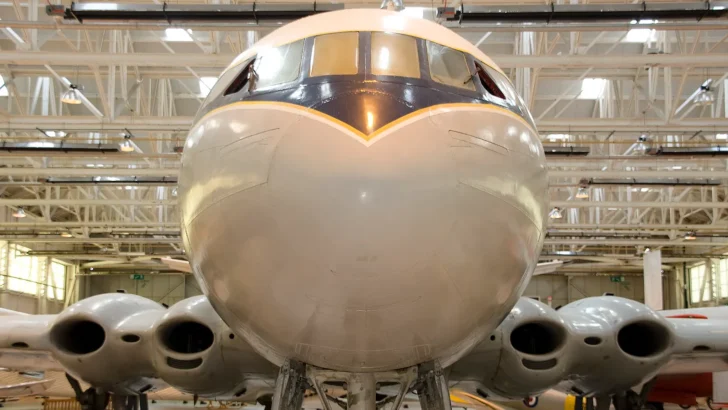
The DH-106 utilized an all-metal, low-wing cantilever monoplane architecture. Four turbojet engines were buried inside the wing roots near the fuselage to minimize parasite drag and asymmetric thrust during engine failures.
The aircraft introduced several pioneering commercial systems:
- Fully powered flight controls with hydraulic irreversibility to overcome high aerodynamic loads.
- Four independent hydraulic circuits delivering operational redundancy for controls, landing gear, and flaps.
- High-altitude cabin pressurization, keeping cabin atmospheric levels comfortable up to an operating ceiling above 10,000 meters.
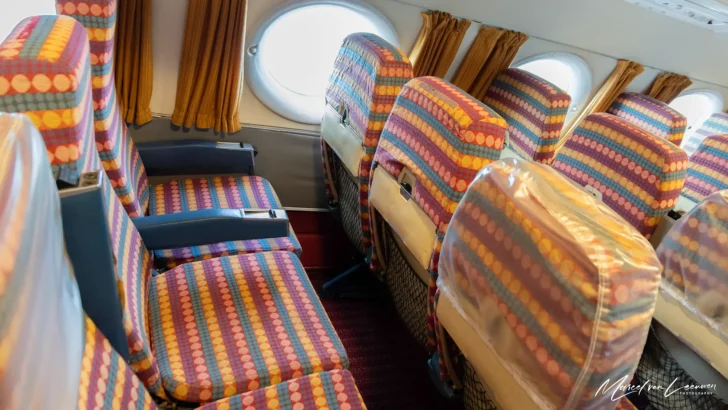
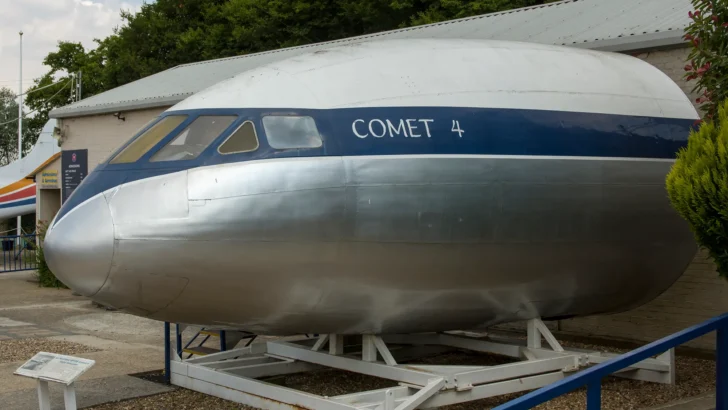
- Redesigned oval passenger windows on the Comet 4 series to eliminate localized stress concentrations.
Operational Impact
The Comet halved long-haul travel times, outperforming contemporary piston-engine airliners in speed and passenger comfort. Although prolonged accident groundings permitted competitors—notably the Boeing 707 and Douglas DC-8—to capture global jet market leadership, de Havilland’s publicly shared fatigue research revolutionized aircraft structural engineering worldwide. Later models provided decades of safe service across major charter airlines and military transport squadrons.
Variants
- Comet 1: Initial production variant powered by de Havilland Ghost 50 turbojets, featuring square passenger windows.
- Comet 1A / 1XB: Upgraded model with water-methanol injection, followed by retrofitted oval windows and reinforced skins.
- Comet 2: Stretched fuselage variant equipped with Rolls-Royce Avon turbojets; mostly operated by the Royal Air Force as the C.2 transport and 2R electronic reconnaissance platforms.
- Comet 3: Single prototype aerodynamically stretched testbed developed for extended range and higher capacity.
- Comet 4: Definitive long-range production model with heavier structural gauge, Rolls-Royce Avon 524 engines, and oval windows.
- Comet 4B: Short-to-medium-range variant with clipped wings and a longer fuselage, built primarily for British European Airways.
- Comet 4C: Hybrid variant pairing the extended fuselage of the 4B with the longer wings and fuel tanks of the standard Comet 4.
- Hawker Siddeley Nimrod: Specialized maritime patrol and anti-submarine derivative developed directly from the Comet 4 airframe.
Operators
- Current Operators: None (fully retired from civil and military service).
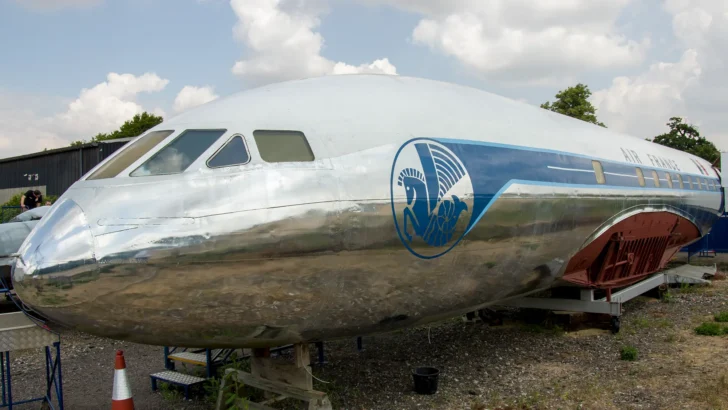
- Former Civilian Operators: BOAC, British European Airways (BEA), Dan-Air, Air France, Union de Transports Aériens (UAT), Aerolíneas Argentinas, Olympic Airways, Mexicana, Middle East Airlines (MEA), East African Airways.
- Former Military & Government Operators: Royal Air Force (United Kingdom), Royal Canadian Air Force (RCAF).
- Future Operators: None.
Specifications (Comet 4)
General Characteristics
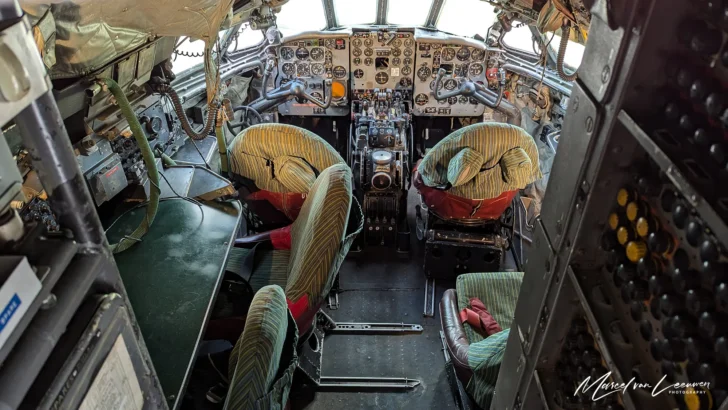
- Flight Crew: 4 (pilot, co-pilot, flight engineer, navigator)
- Length: 33.99 meters
- Wingspan: 35.00 meters
- Height: 8.99 meters
- Wing Area: 197.0 square meters
- Empty Weight: 34,210 kilograms
- Maximum Takeoff Weight (MTOW): 73,480 kilograms
- Powerplant: 4 × Rolls-Royce Avon Mk 524 turbojet engines, 47.0 kilonewtons of thrust each
Performance
- Maximum Cruise Speed: 840 km/h
- Normal Cruising Speed: 805 km/h
- Service Ceiling: 12,800 meters
- Maximum Range: 5,190 kilometers (with maximum fuel allowance)
Passenger Layout
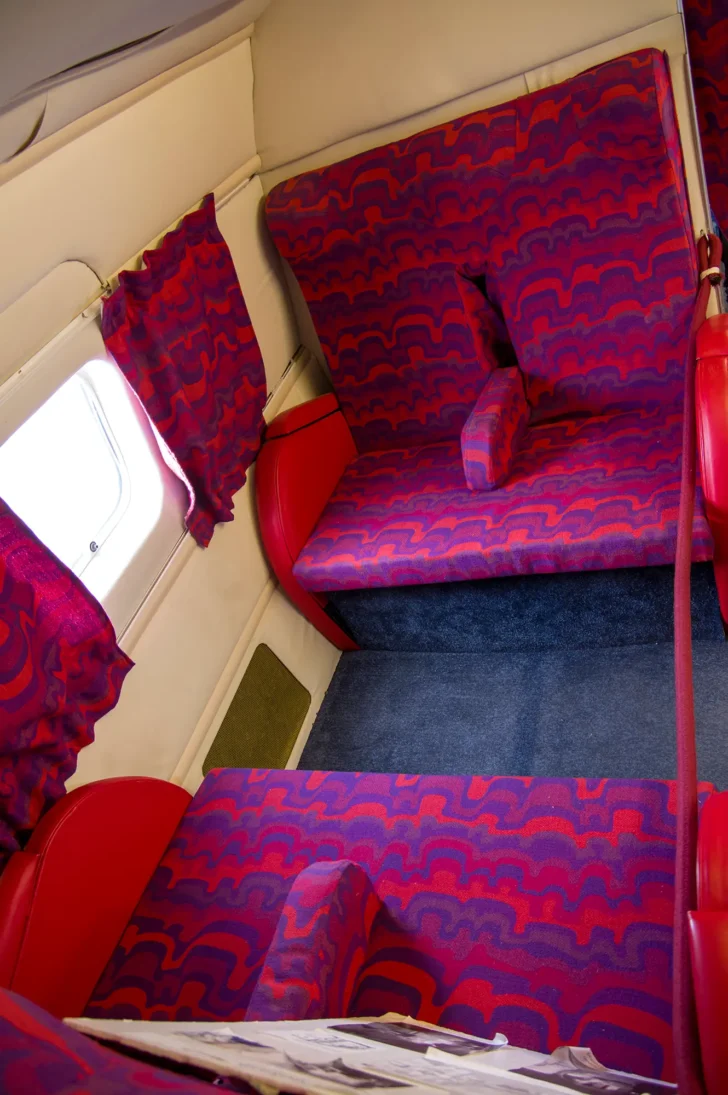
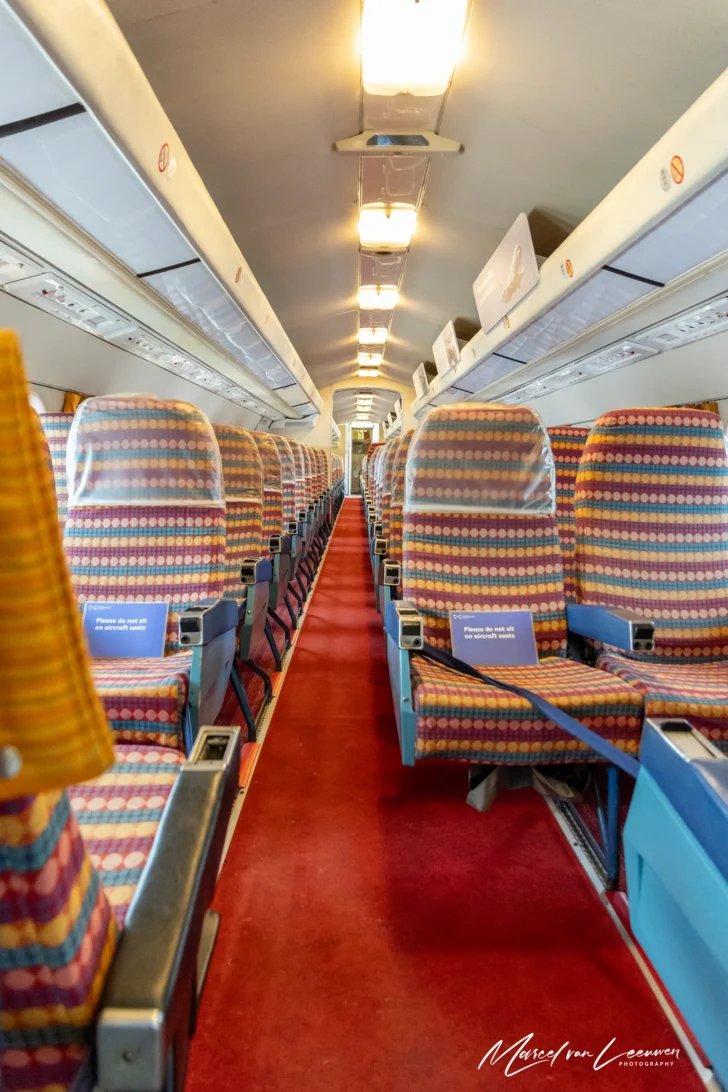
- Typical First/Tourist Class: 56 to 81 passengers (2+2 configuration)
- High-Density Configuration: Up to 109 passengers (2+3 seating configuration)
The De Havilland DH-106 Comet defined the dawn of passenger jet transport, demonstrating the immense economic and operational potential of commercial jet travel. Its technical hardships yielded critical breakthroughs in aero-structures, cabin pressurization testing, and fatigue monitoring that safeguard passenger flights to this day. Preserved airframes now serve as educational milestones across global aerospace museums, reflecting the bravery and pioneering spirit of early postwar engineering.