Introduction
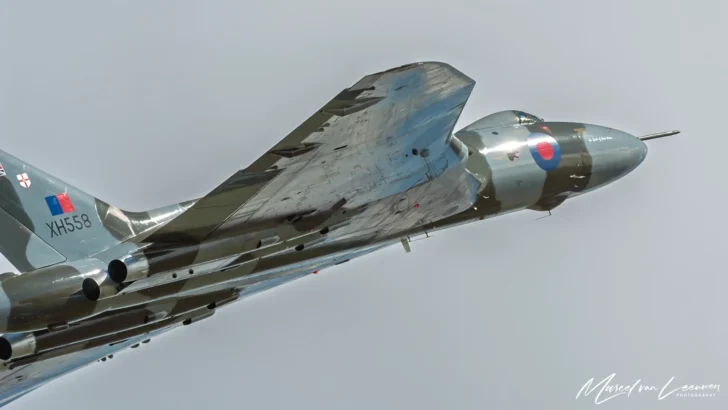
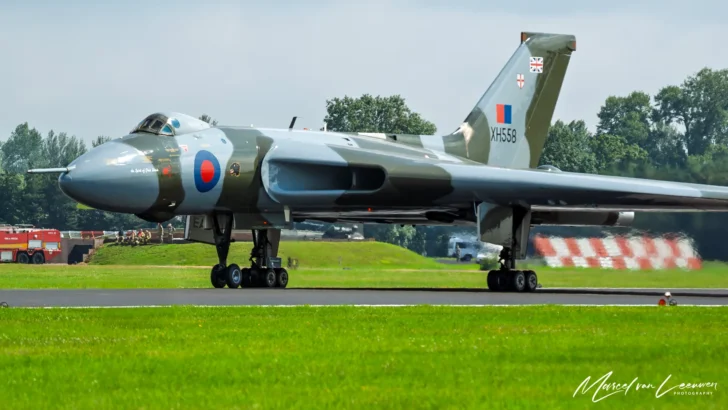
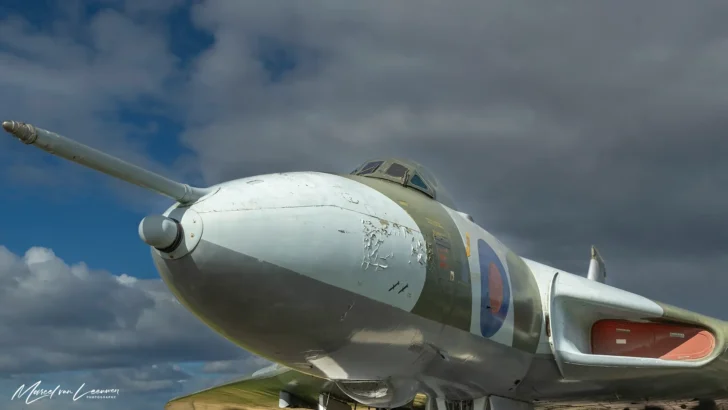
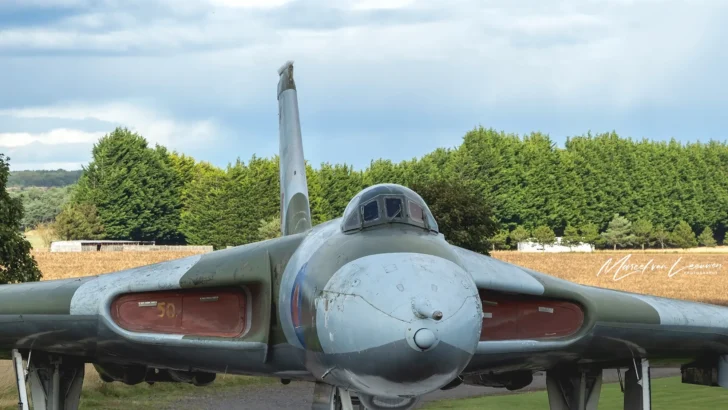
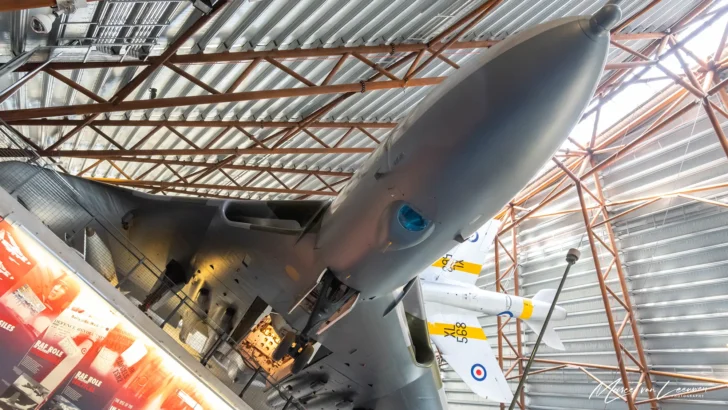
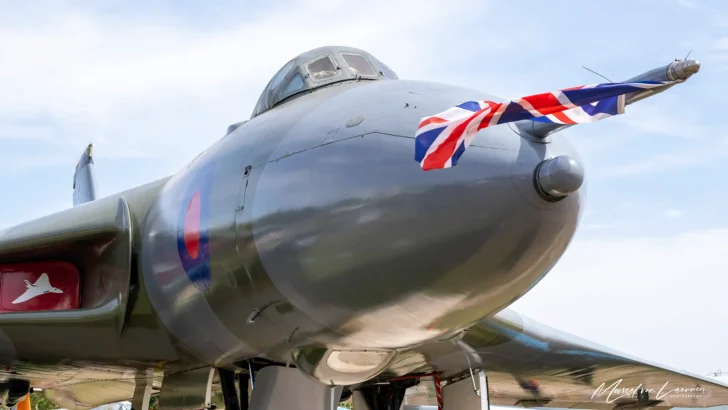
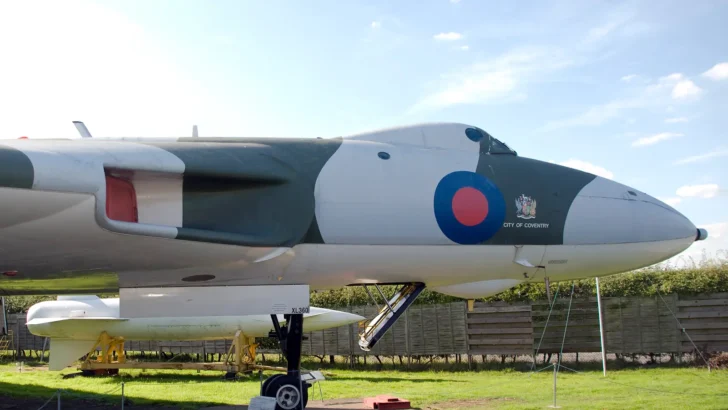
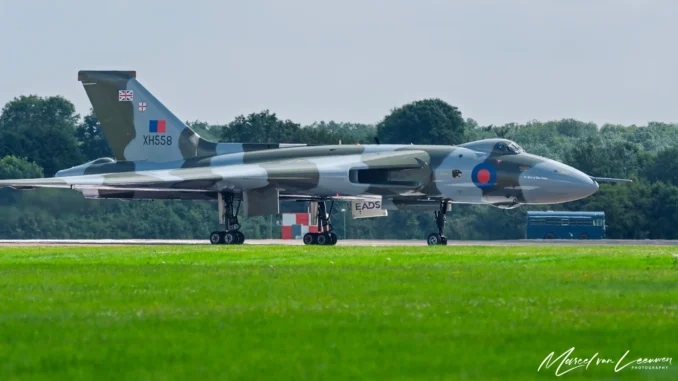
The Avro 698 Vulcan was a British high-altitude strategic bomber and a core pillar of the V bomber airborne nuclear deterrent. Operating during the Cold War and the 1982 Falklands War, its innovative tailless delta-wing design and Rolls-Royce Olympus turbojets delivered exceptional subsonic performance, long range, and high survivability.
General Information
- Type: Strategic bomber
- Manufacturer: A.V. Roe and Company (Avro), later Hawker Siddeley Aviation
- First Flight: 30 August 1952
- Status: Retired
- Primary Users: Royal Air Force
- Number Built: 136 (including 2 prototypes)
History
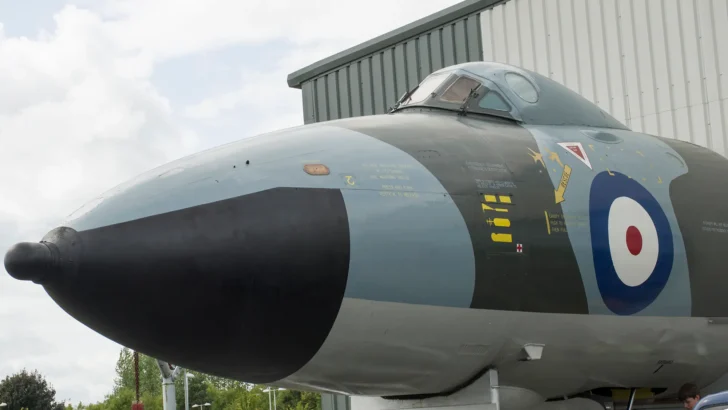
In January 1947, the British Air Ministry issued Specification B.35/46 for an advanced jet-powered bomber capable of carrying nuclear weapons over intercontinental distances at high altitudes. Led by chief designer Roy Chadwick, Avro developed the tailless delta configuration under the project designation Avro 698. To validate the radical aerodynamics before constructing full-scale airframes, the manufacturer built a series of one-third scale research aircraft known as the Avro 707.
The first full-scale prototype took to the air on 30 August 1952 piloted by test pilot Roly Falk. The aircraft was officially named the Vulcan in 1953, with frontline operational deliveries to the Royal Air Force commencing in September 1956.
Design
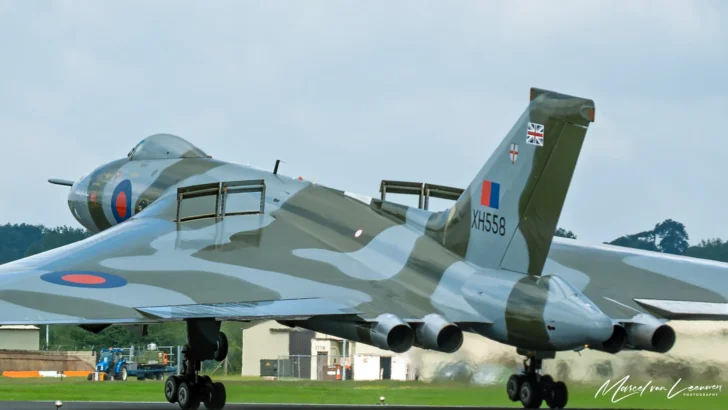
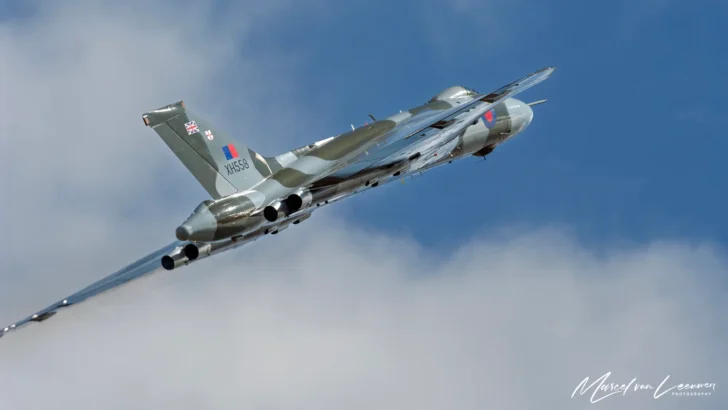
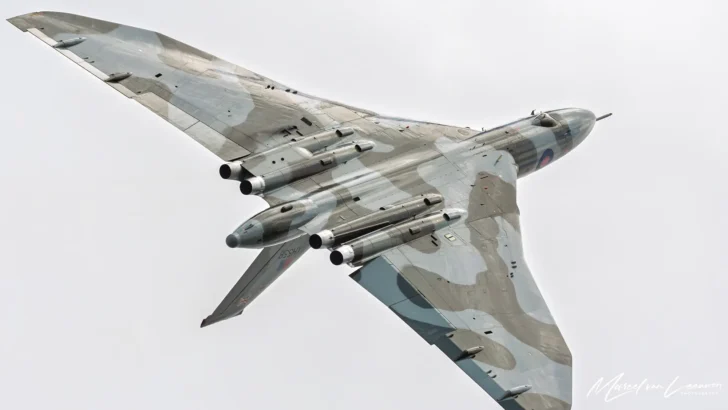
The Avro 698 Vulcan featured a distinct pure tailless delta wing, which later received a kinked leading edge to eliminate high-speed aerodynamic buffeting. Four Bristol Olympus (later Rolls-Royce) turbojet engines were embedded within the wing roots to minimize parasitic drag.
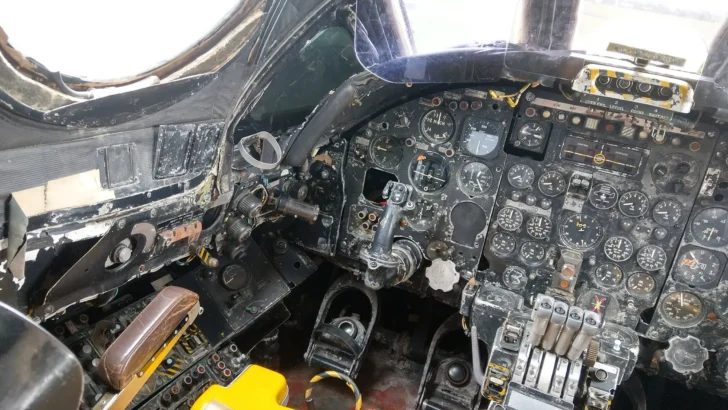
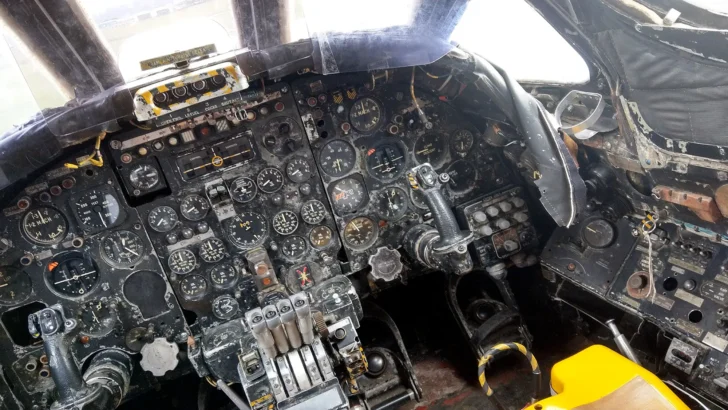
The airframe utilized a lightweight aluminum alloy construction with no defensive gun turrets, relying instead on altitude, speed, and comprehensive electronic countermeasures (ECM) suites. Flight controls operated through electro-hydraulic power units connected to elevons on the wing trailing edges, steered via a fighter-style control stick. The crew cabin accommodated five personnel: pilot and co-pilot equipped with Martin-Baker ejection seats, and three rearward-facing mission specialists—navigator radar, navigator plotter, and air electronics officer.
Operational Impact
As the backbone of the United Kingdom’s Cold War nuclear deterrent, the Vulcan maintained continuous Quick Reaction Alert (QRA) status from 1962, capable of airborne dispersal within minutes. In the mid-1960s, evolving Soviet surface-to-air missile threats forced a doctrine shift from high-altitude penetration to low-level strike tactics, proving the structural robustness of the airframe.
In 1982, the Vulcan achieved its most famous combat operational deployment during the Falklands War in Operation Black Buck. Operating from Ascension Island, Vulcans flew return combat sorties exceeding 12,000 km using multi-stage aerial refueling to bomb the runway at Port Stanley and disable Argentine radar installations.
Variants
- Vulcan B.1: Initial production variant with Olympus 100-series engines and straight leading-edge delta wings (45 built).
- Vulcan B.1A: B.1 airframes upgraded with an enlarged ECM tail cone, UHF communication equipment, and in-flight refueling capabilities.
- Vulcan B.2: Definitive production model featuring extended wingspan, thinned outer wing profiles, uprated Olympus 200/300 engines, and an advanced AC electrical system (89 built).
- Vulcan B.2A (Blue Steel): Modified B.2 airframes with recessed ventral fairings to carry the Blue Steel stand-off nuclear missile.
- Vulcan B.2 (MRR): Maritime radar reconnaissance conversion equipped with secondary air sampling gear and LORAN navigation systems.
- Vulcan K.2: Six aircraft converted in 1982 to single-point hose drum tankers to support tactical aerial refueling.
Operators
- Current: None
- Former: United Kingdom (Royal Air Force)
- Future: None
Specifications (Vulcan B.2)
General Characteristics
- Crew: 5 (pilot, co-pilot, air electronics officer, navigator radar, navigator plotter)
- Length: 30.45 m
- Wingspan: 33.83 m
- Height: 8.28 m
- Wing Area: 368.3 m²
- Empty Weight: 37,900 kg
- Maximum Takeoff Weight: 92,500 kg
- Powerplant: 4 × Rolls-Royce Olympus 301 turbojets, 89 kN thrust each
Performance
- Maximum Speed: 1,039 km/h (Mach 0.93)
- Cruising Speed: 913 km/h
- Combat Range: 4,170 km
- Ferry Range: 7,400 km
- Service Ceiling: 18,300 m
- Thrust-to-Weight Ratio: 0.39
Armament
- Internal Bomb Bay: Capacity for up to 9,500 kg of ordnance
- Conventional Bombs: 21 × 454 kg HE unguided bombs
- Nuclear Weapons: 1 × Blue Steel stand-off missile, or free-fall weapons (Blue Danube, Yellow Sun Mk.2, or WE.177B)
- External Hardpoints: Underwing pylons for 2 × AGM-45 Shrike anti-radar missiles and AN/ALQ-101 jamming pods (Black Buck configuration)
The Avro 698 Vulcan remains one of aviation history’s most recognizable and technologically daring military aircraft. Its combination of aerodynamic refinement and operational adaptability enabled it to serve frontline duties across three decades. While the military fleet retired in 1984, preserved examples and historic heritage flights ensure its legacy as a milestone in British aerospace engineering persists in museums and historical collections worldwide.