Introduction
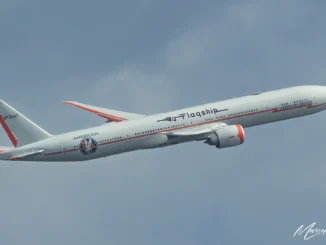
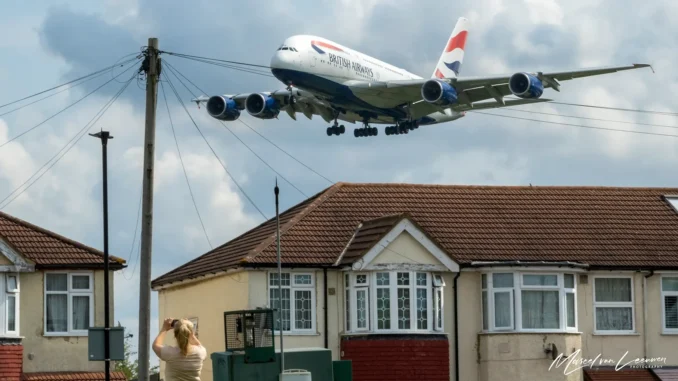
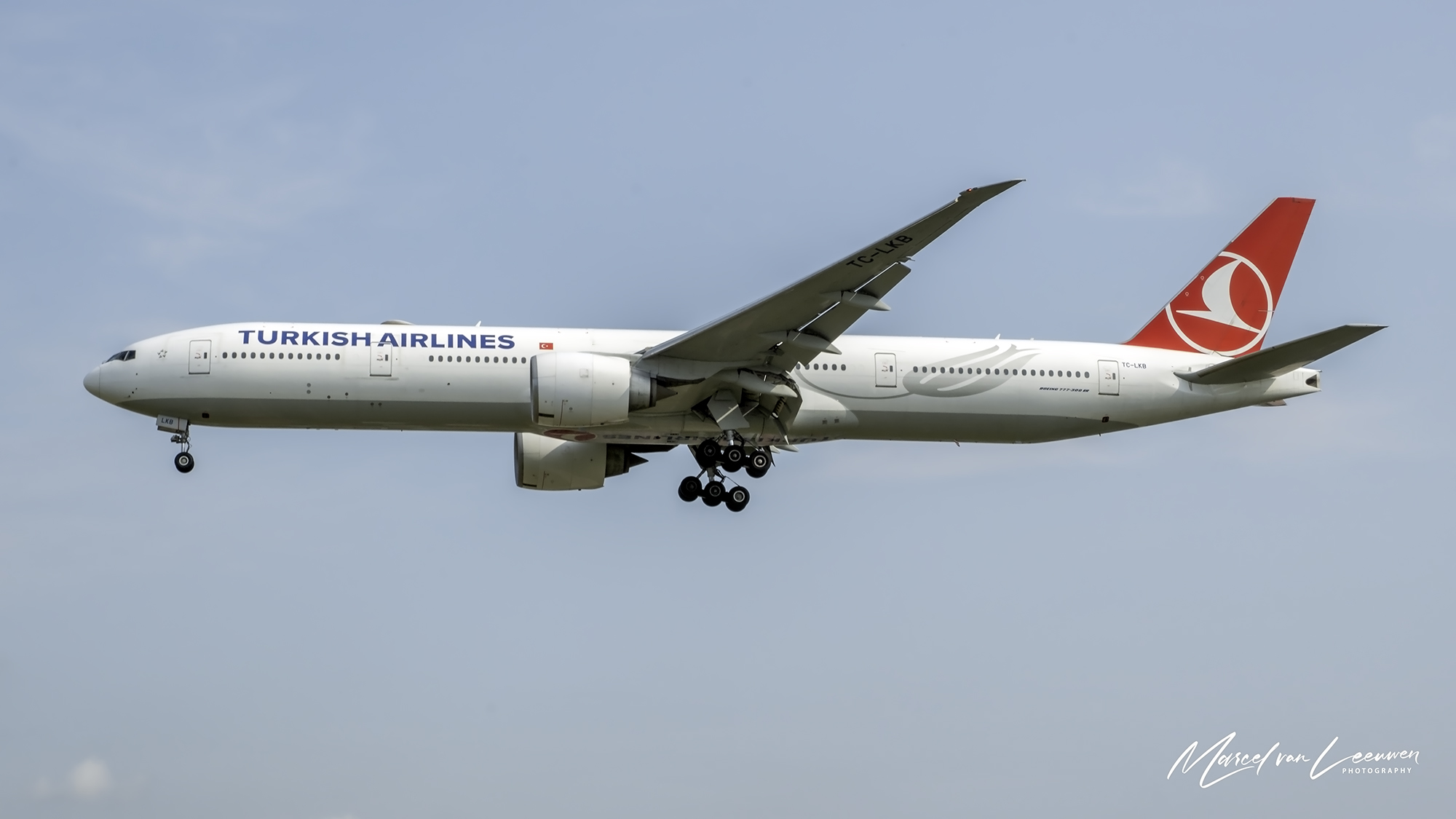
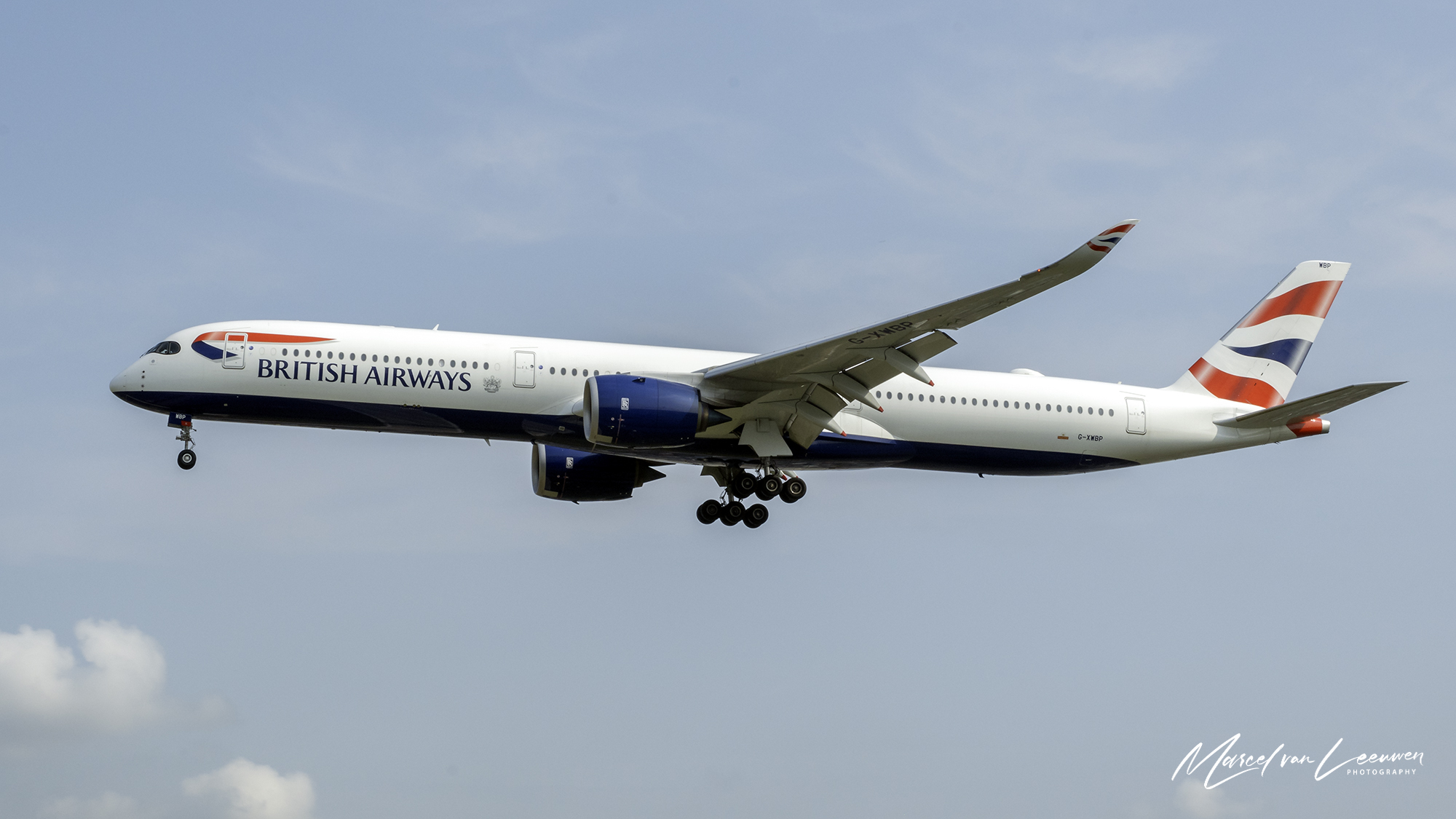
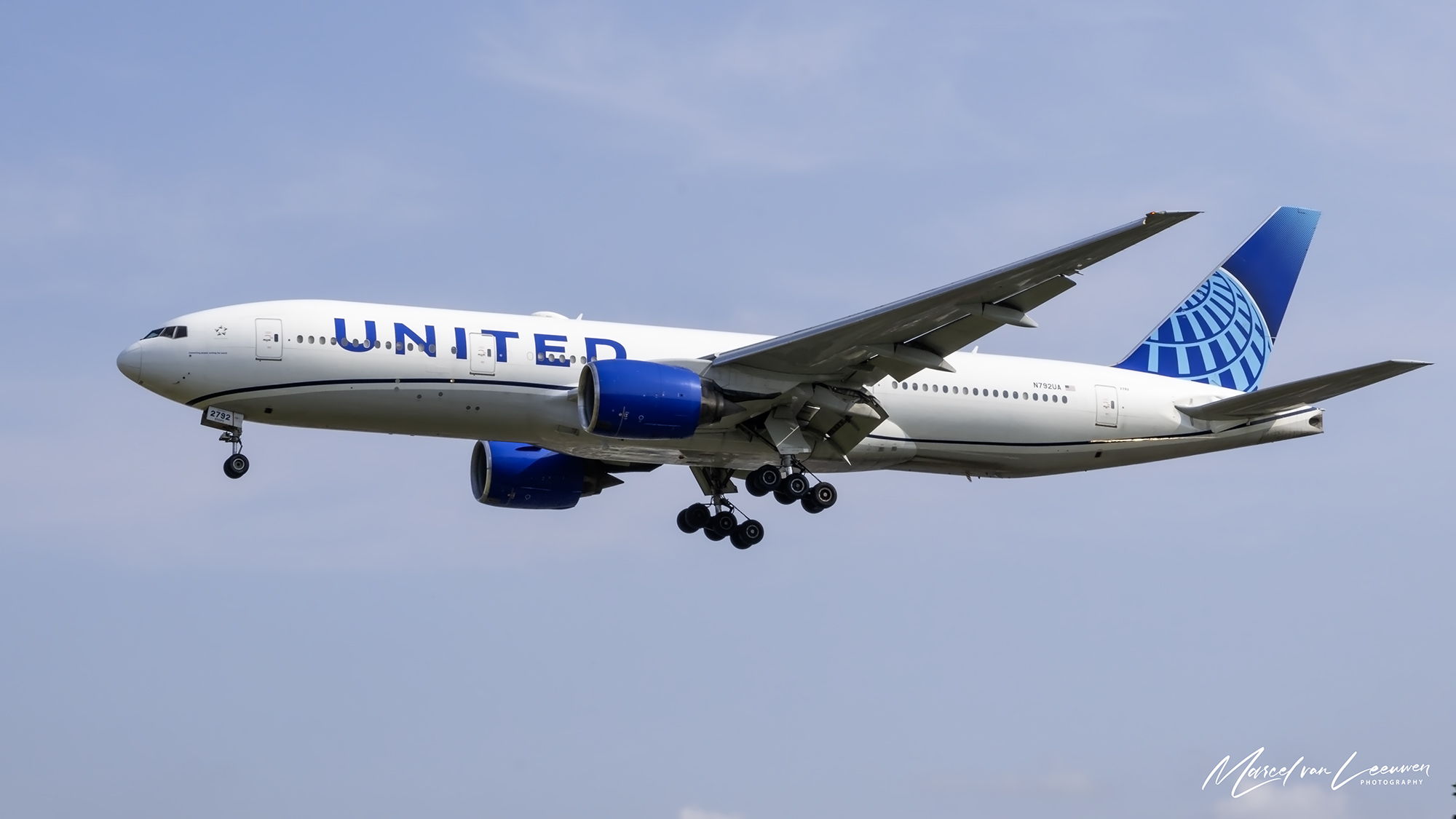
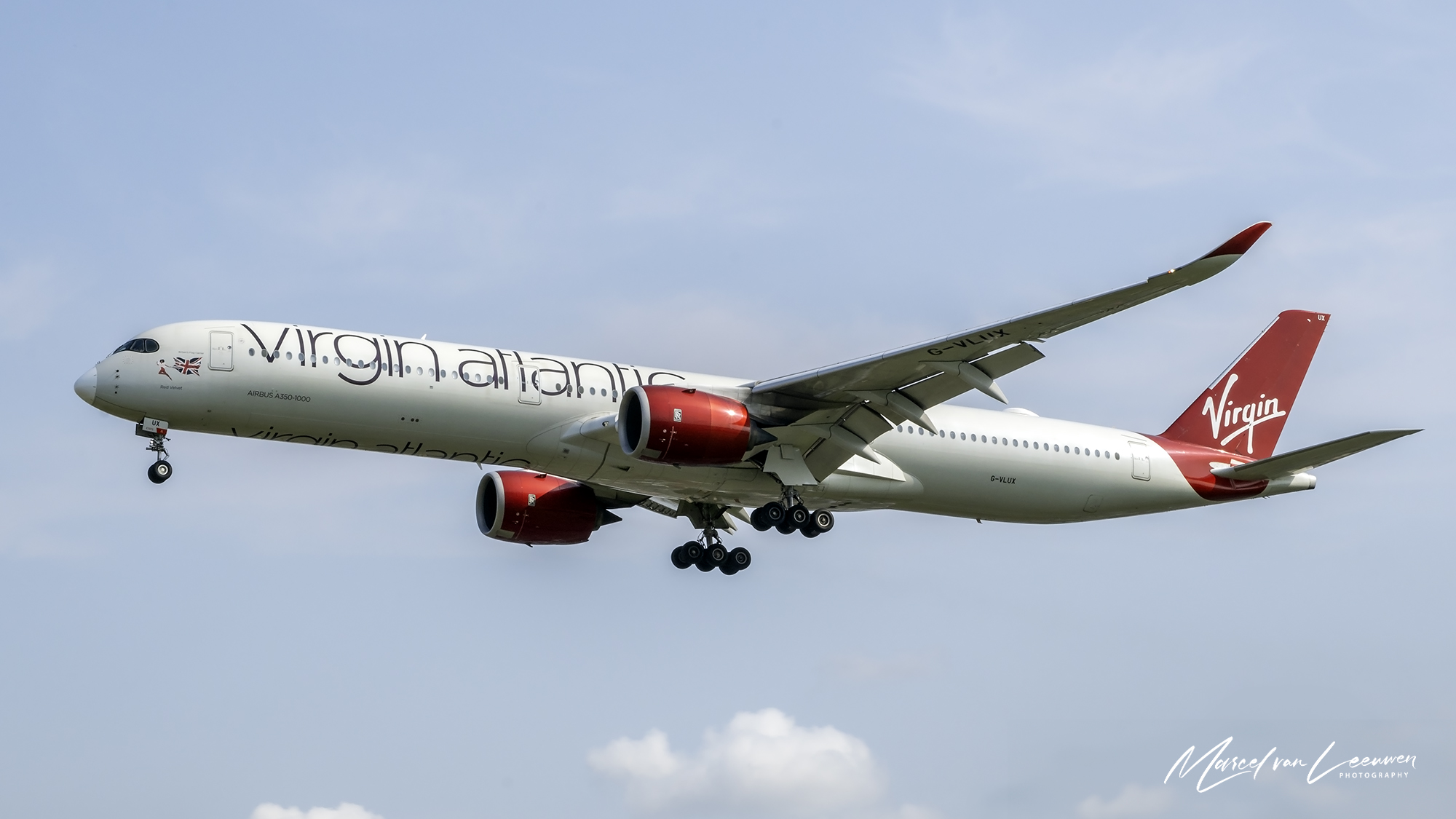
London Heathrow Airport stands as the primary international aviation gateway for the United Kingdom. Positioned directly under the final approach path for the southern runway, the legendary Myrtle Avenue viewing point in Hatton provides exceptionally close-up visual access to global wide-body and narrow-body aircraft arrivals during peak summer operations.
General Information about the Airport / Airfield
- Full Name: London Heathrow Airport
- IATA Code: LHR
- ICAO Code: EGLL
- Airport Address: Heathrow Airport, Longford, Hounslow, Greater London, TW6 2GW, United Kingdom
- Observation Location: Myrtle Avenue, Hatton, London Borough of Hounslow, Greater London, TW14 0QH, United Kingdom (situated near the eastern threshold of Runway 27L)







History: Key Facts
London Heathrow Airport traces its origins to 1929 when it began as a small grass airfield named the Great West Aerodrome. The British government requisitioned the site during World War II to establish a military transport base before transferring control to civil authorities for official commercial operations starting on 25 March 1946.
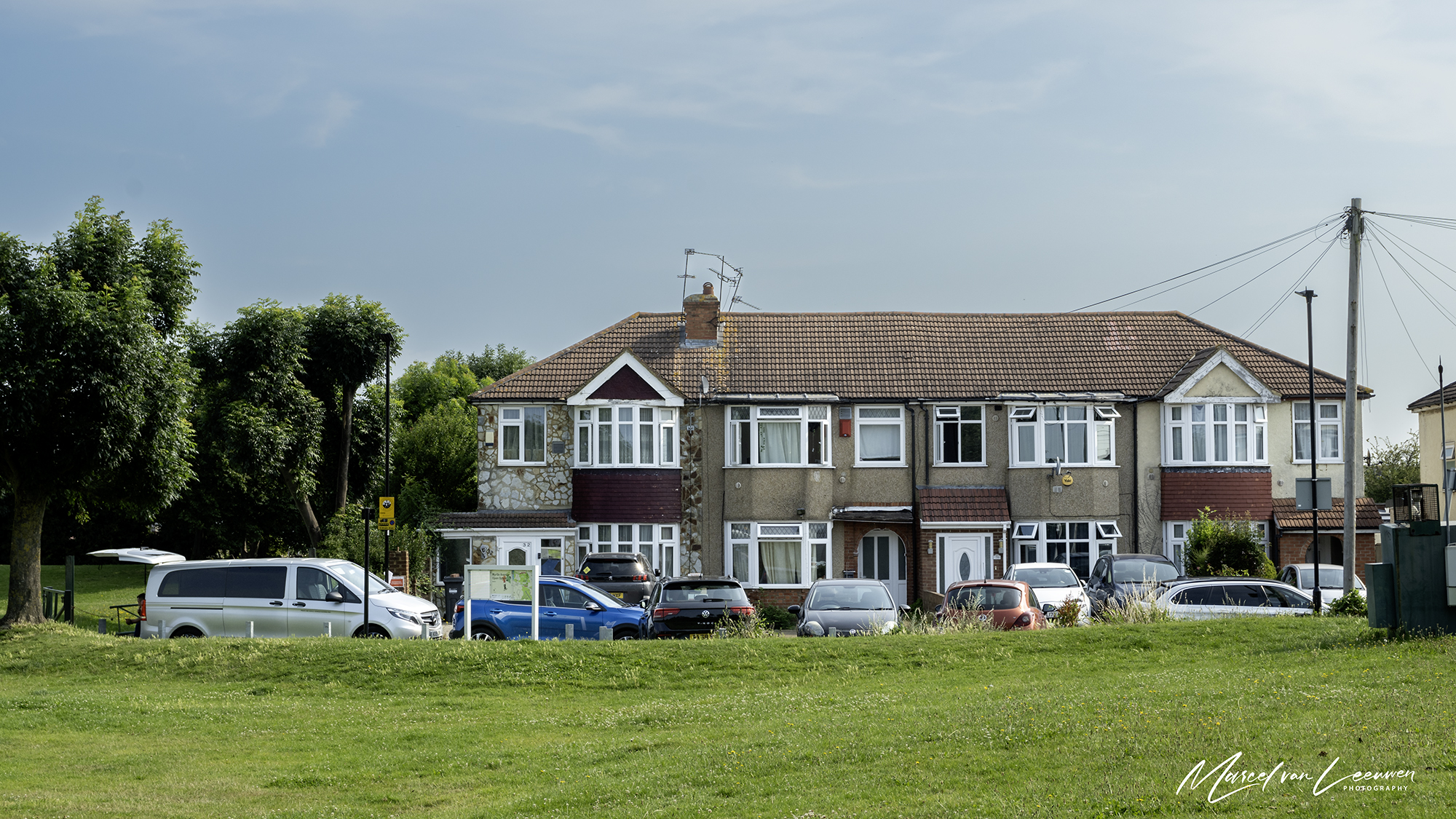
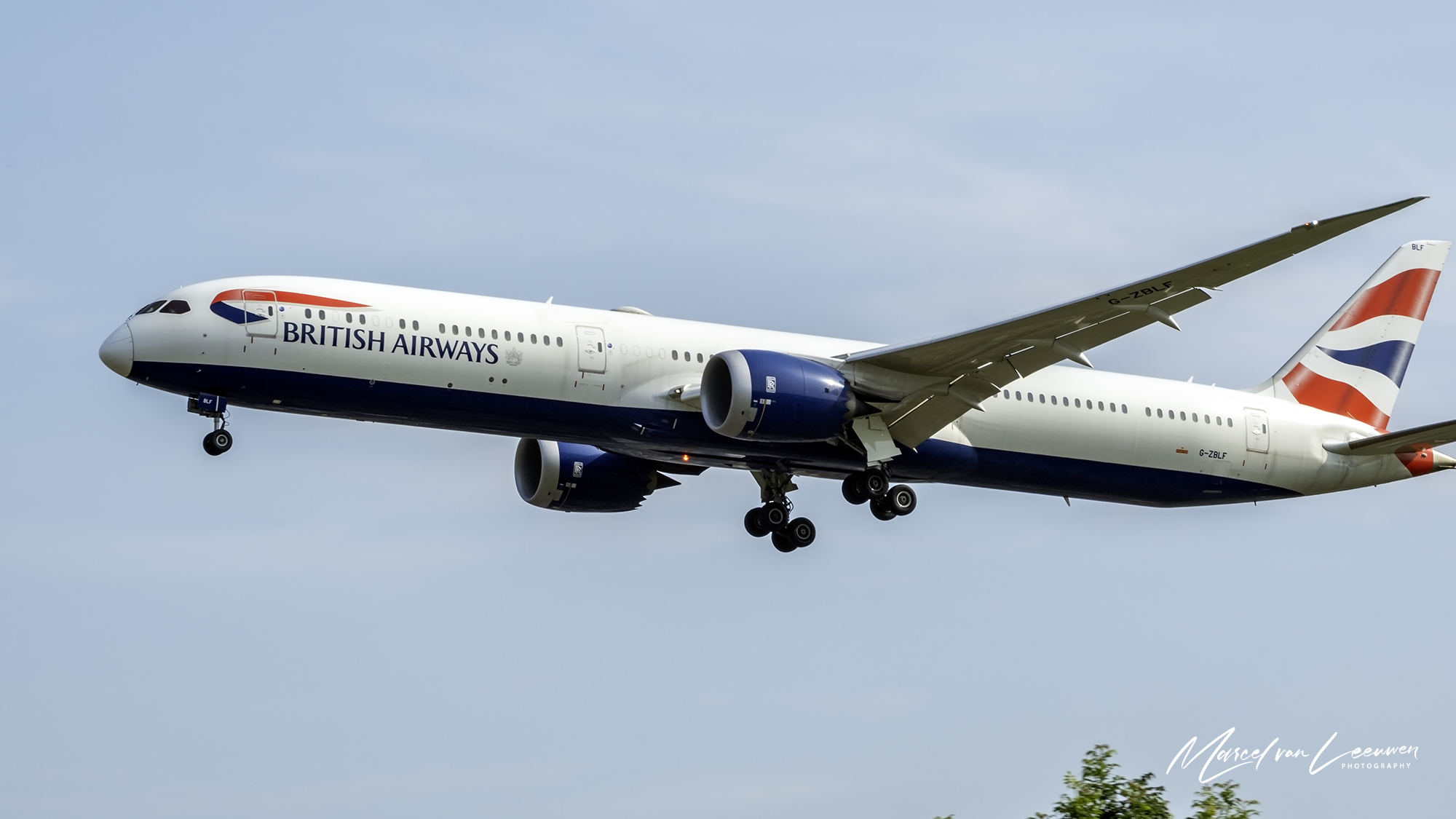
Over subsequent decades, the facility expanded into a major multi-terminal international hub. Myrtle Avenue, a residential cul-de-sac located adjacent to Hatton Cross, evolved globally into the preeminent public plane spotting location for capturing low-altitude aircraft arrivals on Runway 27L. On 24 July 2024, spotters and aviation photographers gathered at this location to document heavy international traffic during the height of the summer travel season, observing frequent wide-body landings under optimal weather conditions.
Specifications
- Airfield Area: 1,227 hectares (12.27 square kilometers)
- Airfield Elevation: 25 meters above mean sea level
- Southern Runway (09R/27L): 3,658 meters in length and 50 meters in width (grooved asphalt concrete)
- Northern Runway (09L/27R): 3,902 meters in length and 50 meters in width (grooved asphalt concrete)
- Passenger Terminals: Four active terminal complexes (Terminal 2, Terminal 3, Terminal 4, and Terminal 5)
- Primary Users: British Airways, Virgin Atlantic, international alliance carriers (oneworld, Star Alliance, SkyTeam), and worldwide cargo operators
- Passenger Volume: Facilitated approximately 83.9 million travelers throughout the 2024 calendar year, maintaining high daily passenger averages during the summer months
- Aircraft Movements: Handled over 450,000 annual flight movements with continuous arrival streams on the southern runway approach
- Runway Operations: Configured for segregated parallel operations, utilizing western flow arrivals over Myrtle Avenue during prevailing west-wind conditions
- Future Plans: Long-term infrastructure investments include sustainable terminal enhancements under the Heathrow 2.0 carbon-reduction strategy, digital baggage sorting overhauls, advanced security checkpoint upgrades, taxiway optimization, and ongoing evaluations regarding future airport capacity frameworks.