Introduction
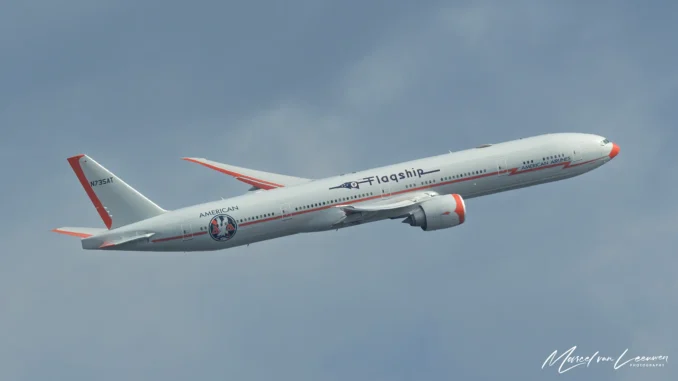
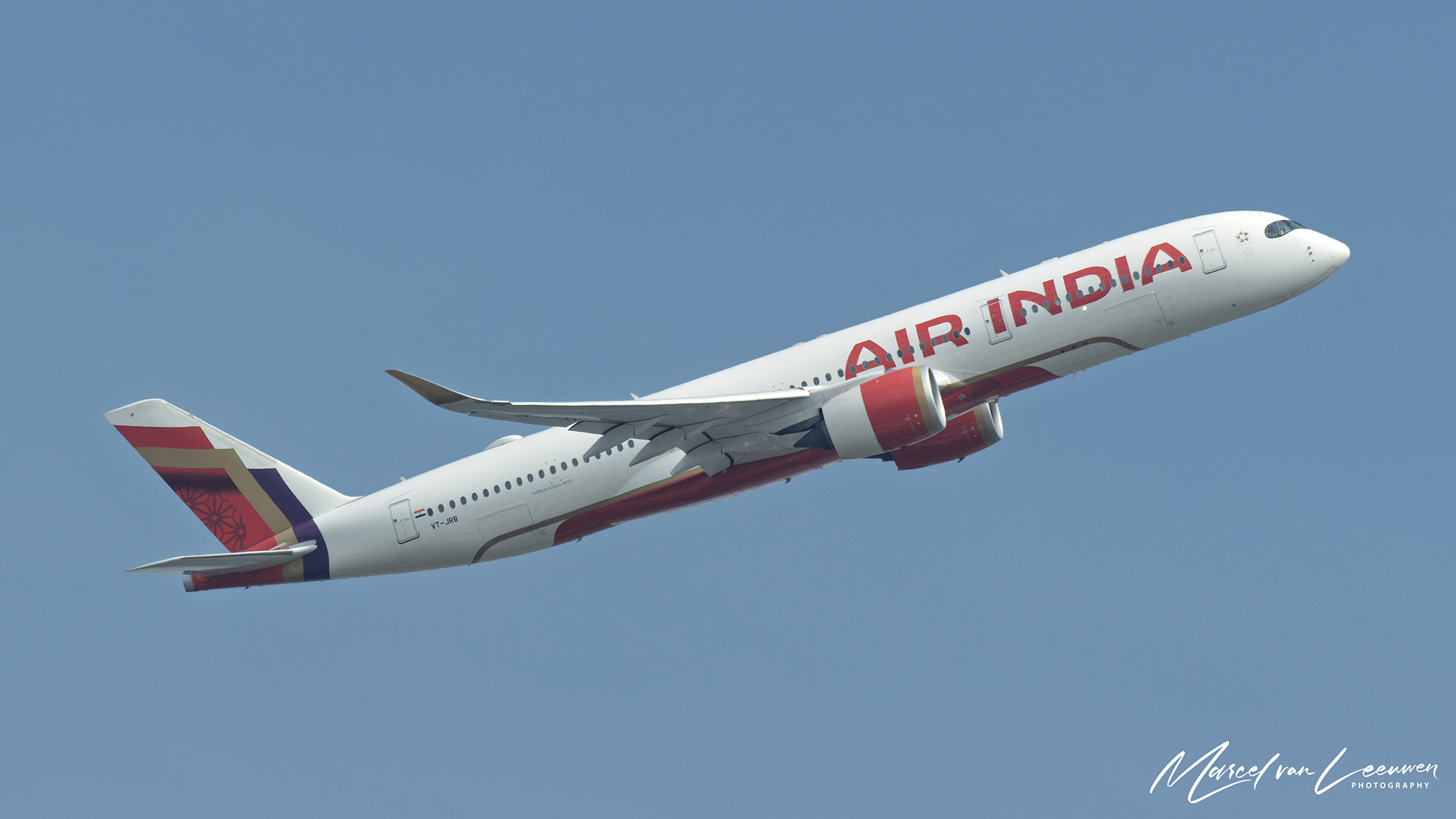
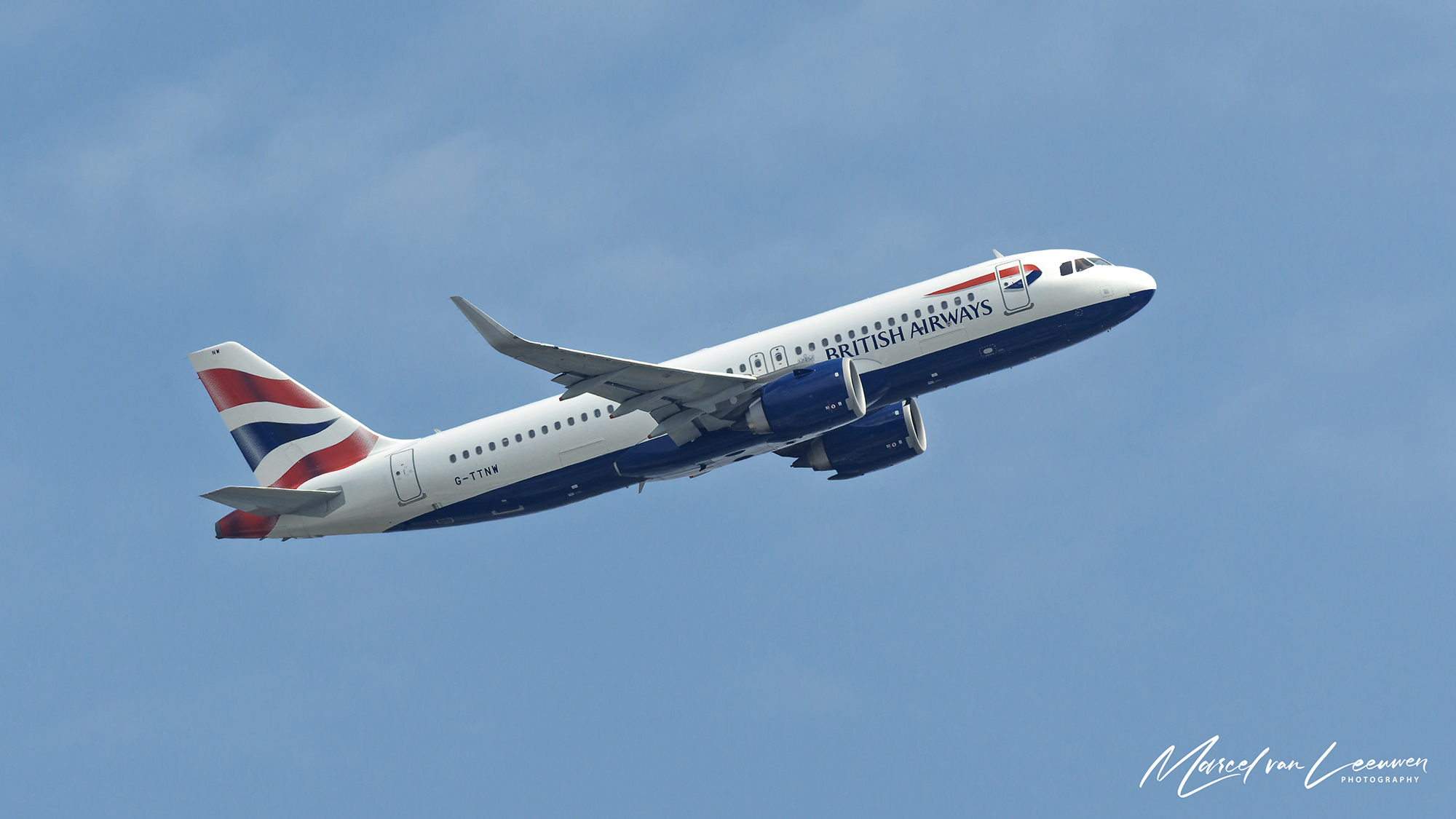
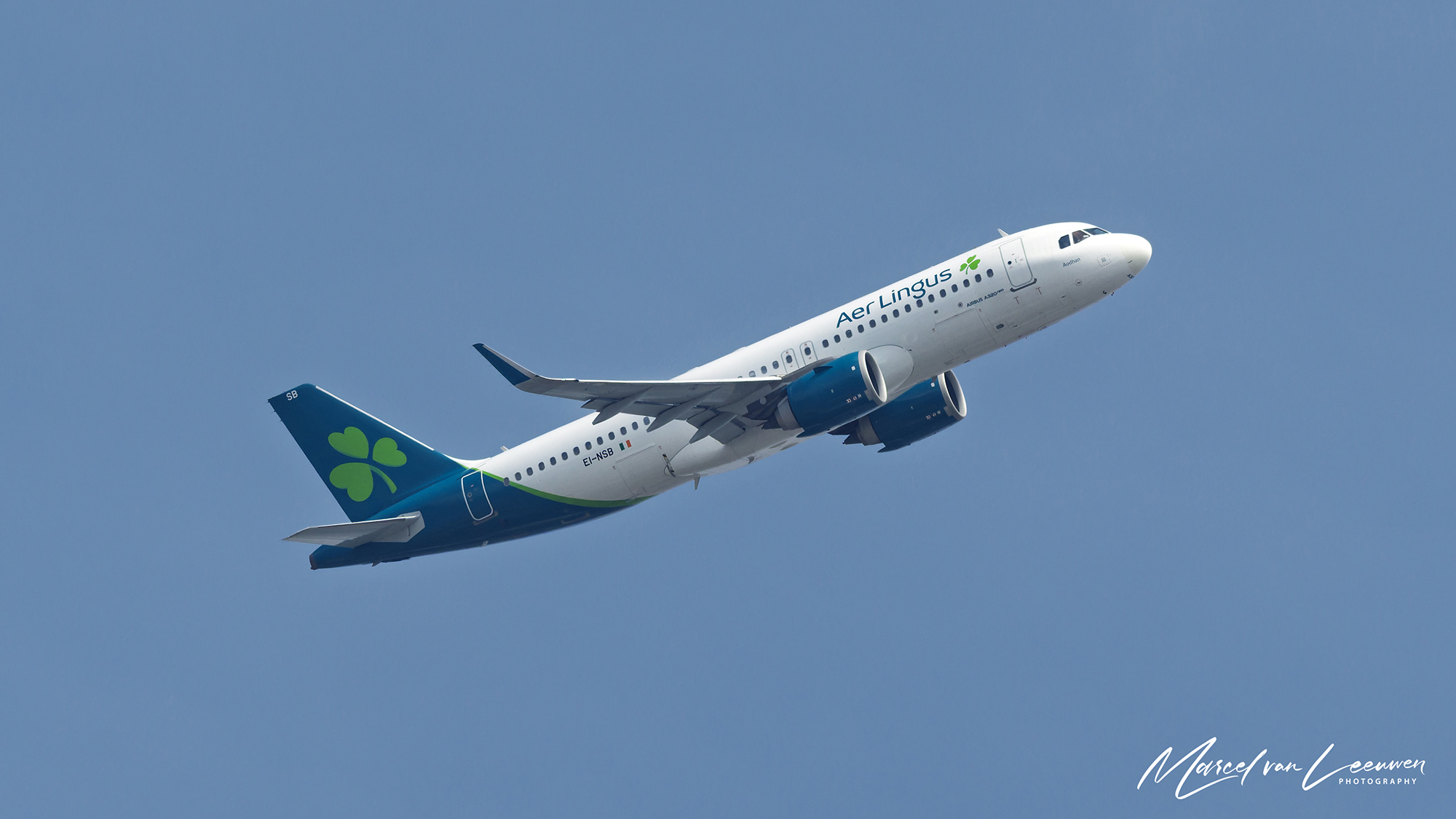
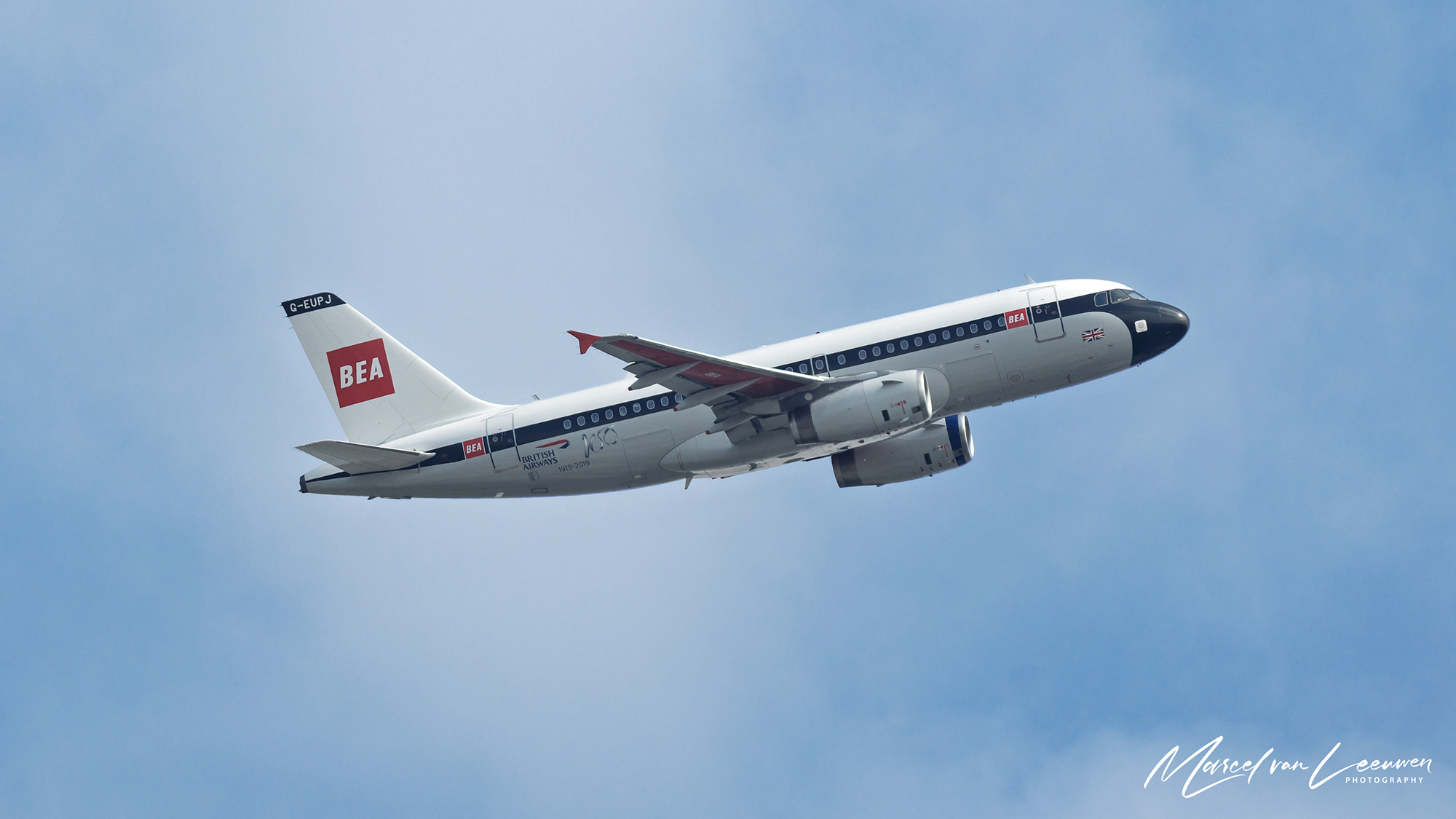
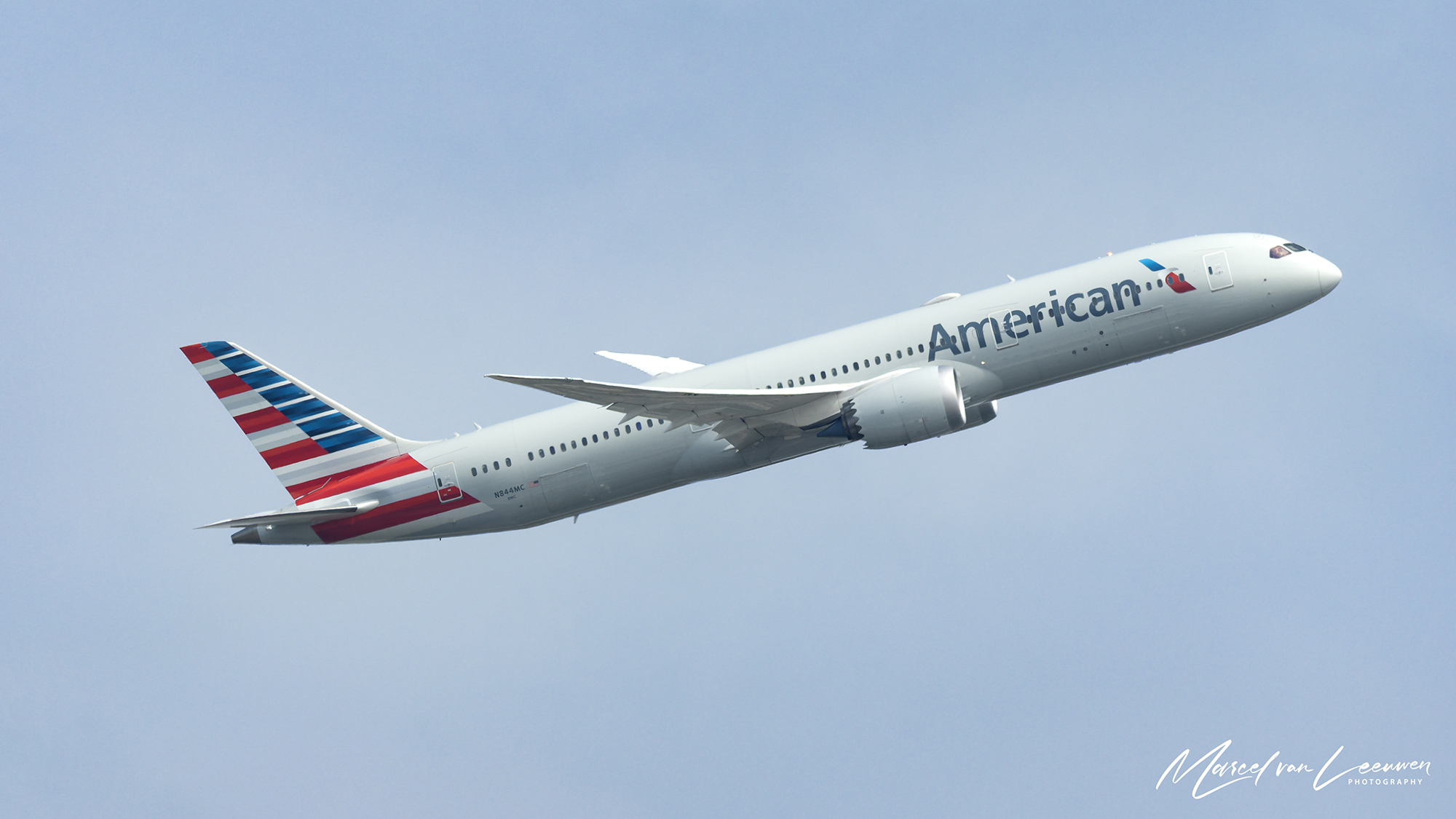
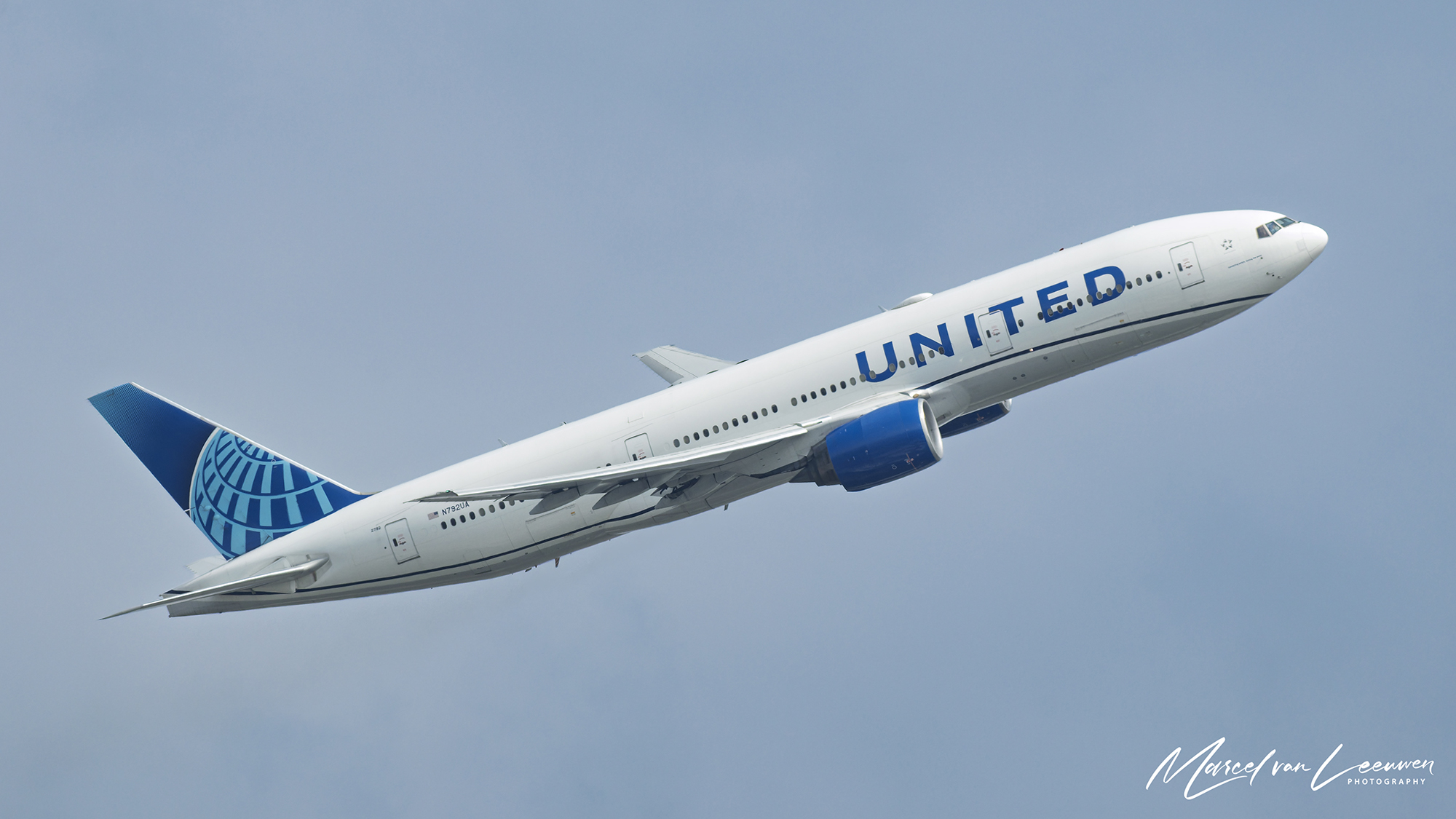
London Heathrow Airport is the premier international aviation gateway of the United Kingdom and one of the world’s busiest air transport hubs. Located directly southeast of the active flight paths, The Glebelands within Feltham Arenas Parklands serves as an expansive public open space providing direct ground views of arriving and departing commercial aircraft.
General Information about the Airport / Airfield
- Full Name: London Heathrow Airport
- IATA Code: LHR
- ICAO Code: EGLL
- Airport Address: Compass Centre, Nelson Road, Hounslow, Greater London, TW6 2GW, United Kingdom
- Vantage Point Address: The Glebelands, Feltham Arenas Parklands, Fern Grove, Feltham, Greater London, TW14 9AY, United Kingdom
- Operator: Heathrow Airport Holdings Limited
- Airport Classification: International Public Commercial Transport Hub



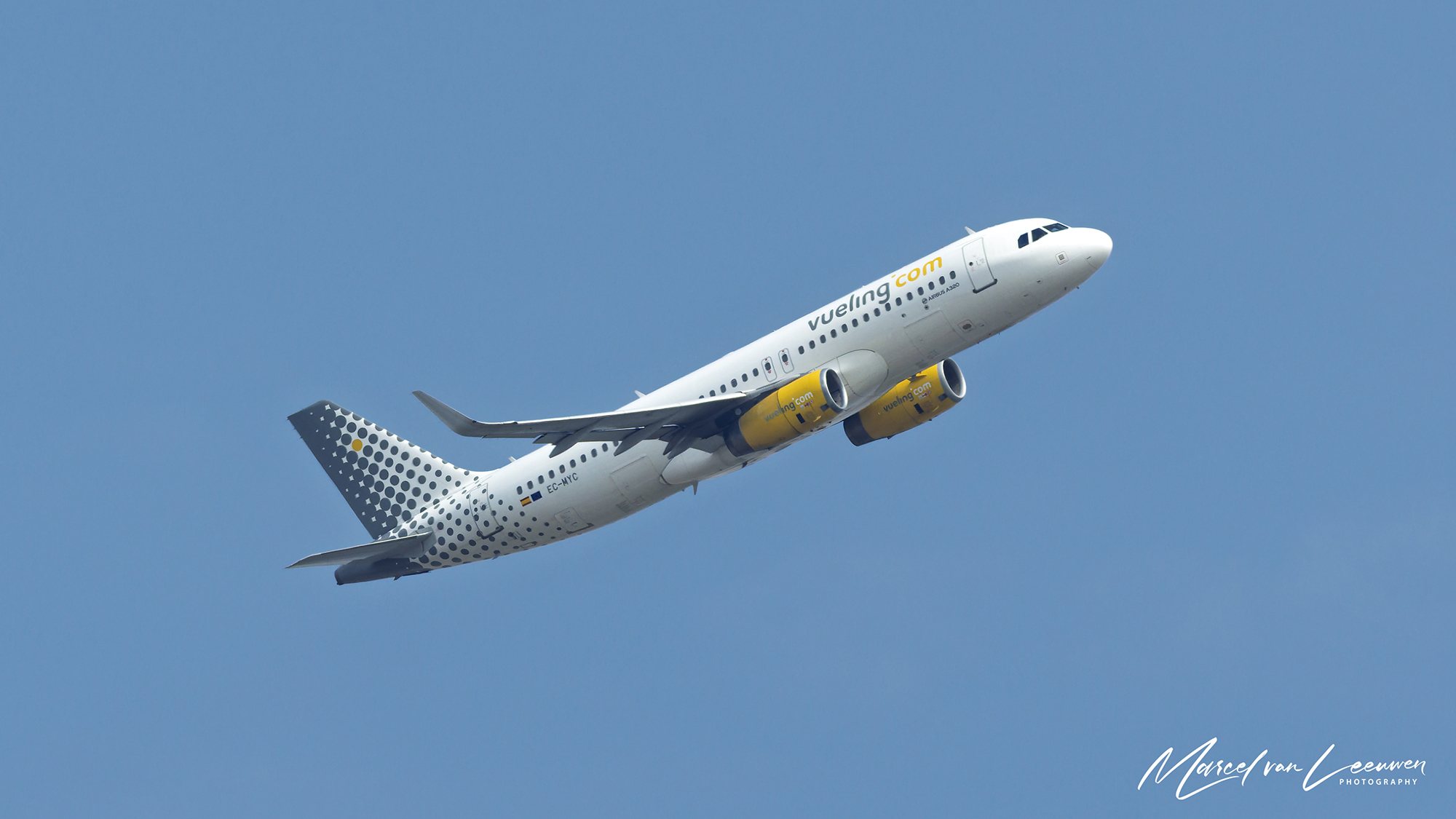

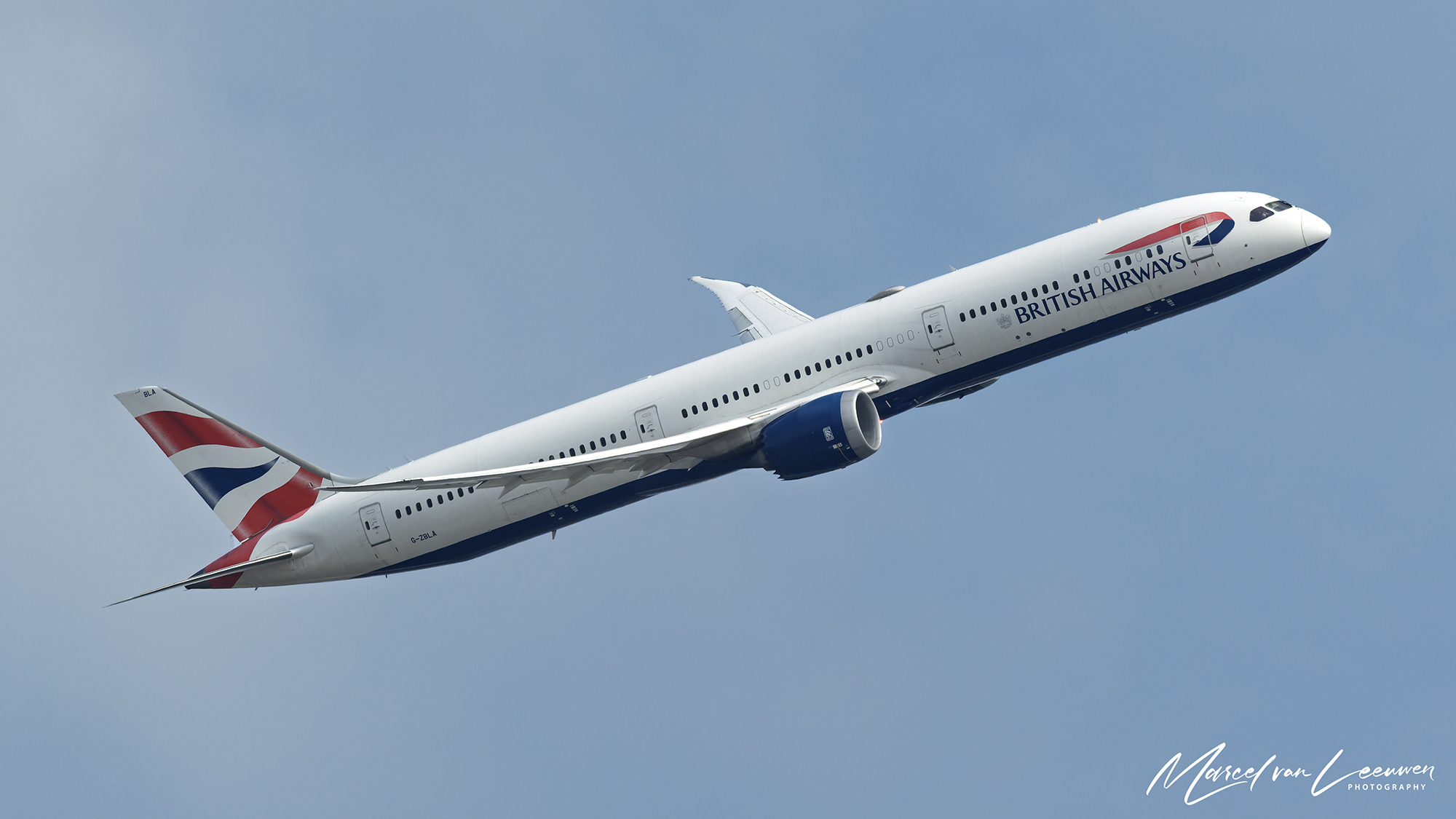
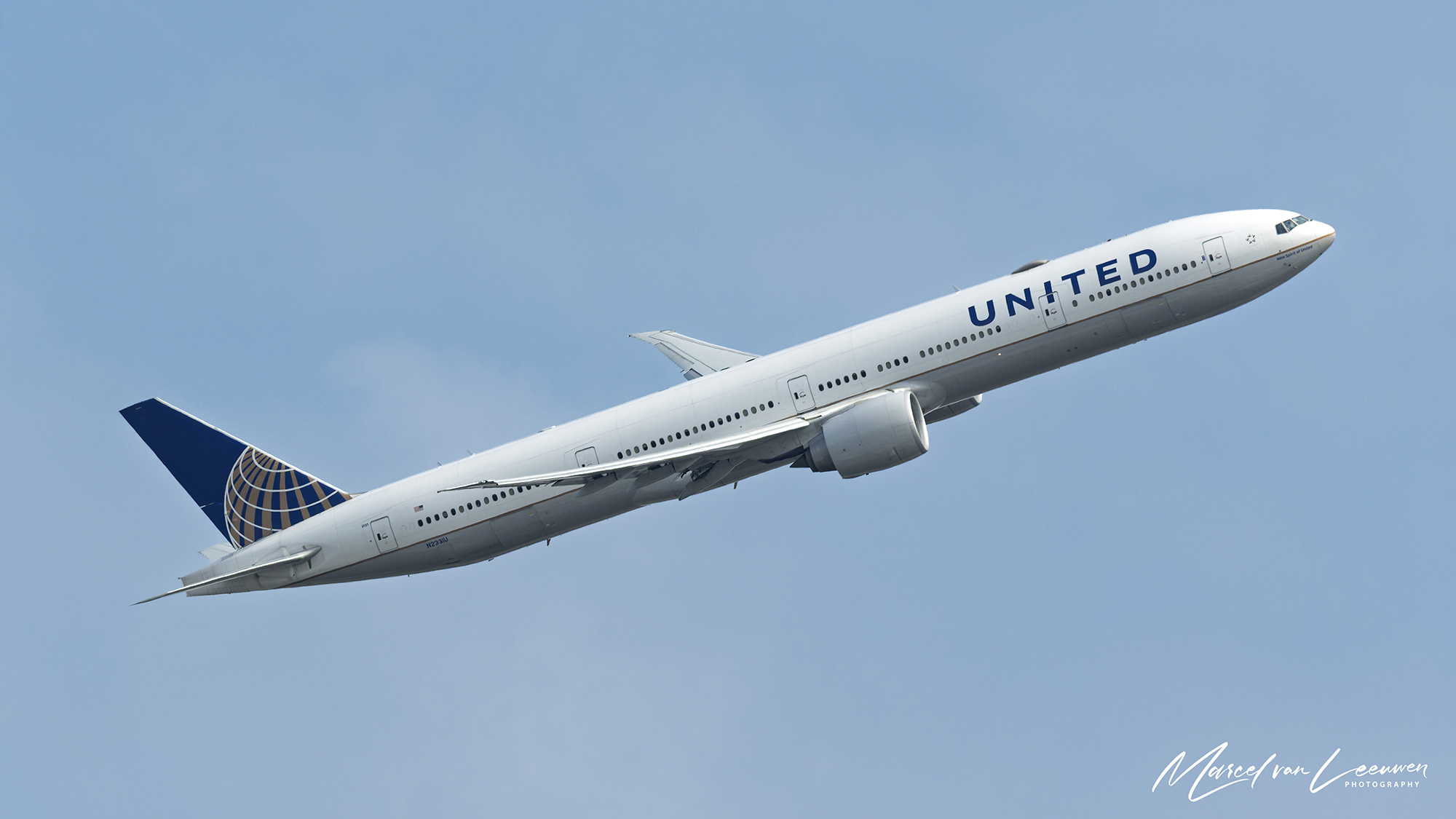

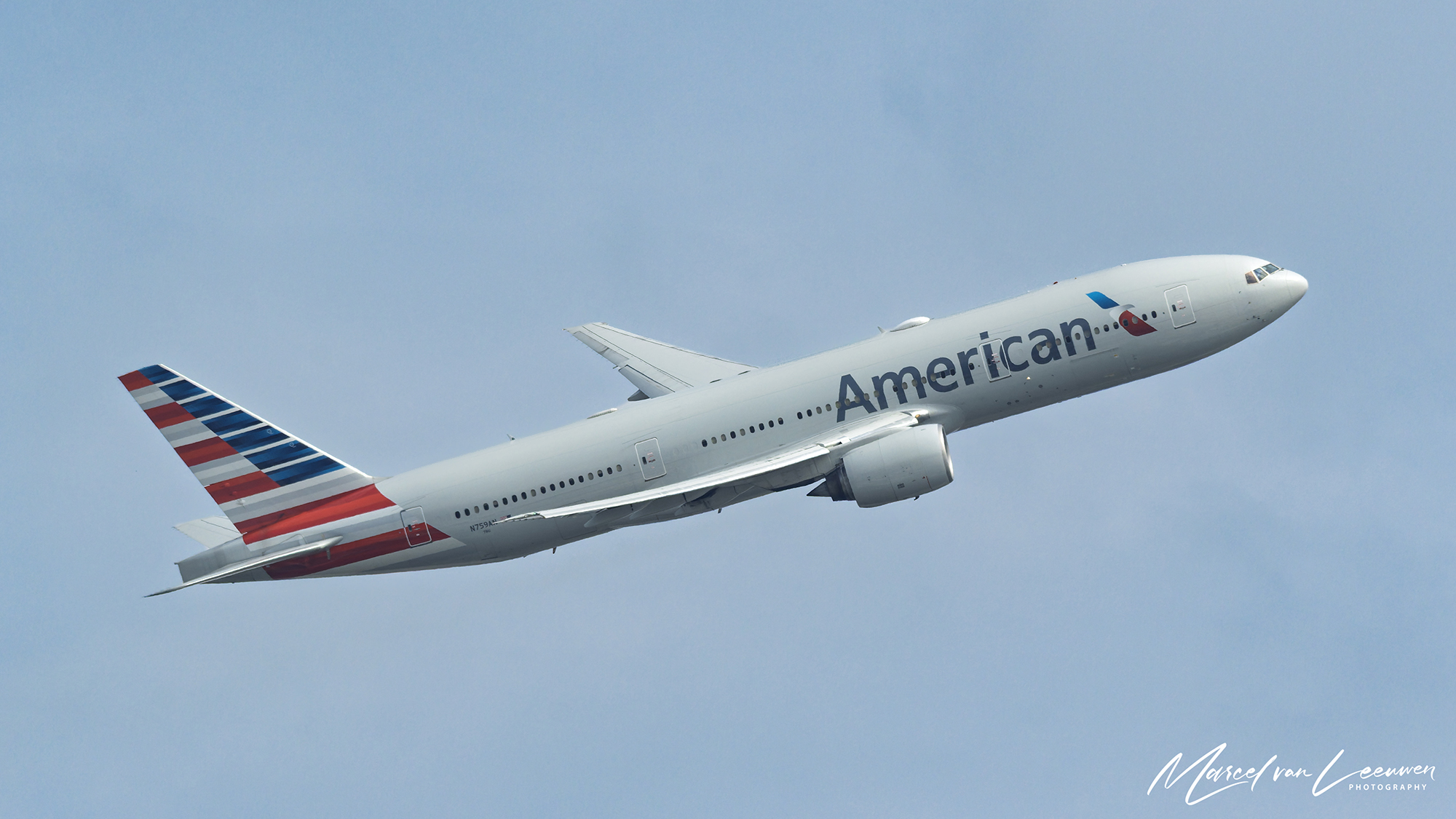


Weather conditions
Wednesday, July 22, 2026, the late morning through early afternoon (approximately 11:00 to 14:00 BST) at The Glebelands / Feltham Arenas Parklands (located less than 3 km south/southeast of London Heathrow Airport) saw warm, dry, and predominantly fine summer conditions:
- Sky & Cloud Cover: Mostly clear to partly cloudy conditions with broken fair-weather cumulus development around midday, offering strong sunny spells and good lighting across the flight path.
- Temperatures: Ranging from roughly 22°C to 24°C (72°F–75°F) late in the morning, climbing toward 25°C to 27°C (77°F–81°F) by early-to-mid afternoon.
- Precipitation: Completely dry with 0.0 mm of rainfall (part of an extended summer dry spell across west London and Surrey).
- Wind: Light to moderate breezes, primarily out of the west to west-southwest at around 7 to 12 knots (13–22 km/h), occasionally gusting up to 15–18 knots.
- Visibility: Excellent (>10 km / CAVOK conditions), providing clear sightlines toward aircraft descending on the westerly approaches into Heathrow (Runways 27L/27R).
History
Heathrow Airport began in 1929 as the Great West Aerodrome, established by Fairey Aviation for aircraft assembly and test flights. During the Second World War, the British government requisitioned the surrounding agricultural terrain near the hamlet of Heath Row to build a strategic heavy military transport base. In 1946, authorities transferred the airfield to civil administration, officially opening it as London Airport. The site progressively expanded into a multi-terminal hub, introducing the central terminal zone in 1955, Terminal 1 in 1968, Terminal 4 in 1986, Terminal 5 in 2008, and the rebuilt Terminal 2 in 2014. Neighboring municipal lands, including The Glebelands in Feltham Arenas Parklands, preserved green recreational corridors adjacent to the southern boundary as commercial flight movements grew.
Specifications
- Airfield Area: 1,227 hectares (12.27 square kilometres)
- Elevation Above Mean Sea Level: 25 metres
- Primary Airline Users: British Airways (primary base), Virgin Atlantic, together with members of the Oneworld, Star Alliance, and SkyTeam airline alliances
- Passenger Traffic Volume: 84.5 million passengers handled annually
- Aircraft Flight Movements: 477,883 air transport movements per year
- Annual Air Freight Volume: 1.59 million metric tonnes of cargo and mail
- Terminal Facilities: 4 operational passenger terminals (Terminals 2, 3, 4, and 5) and 1 dedicated cargo hub
- Air Traffic Control Tower: 87 metres in height, positioned in the airfield central area
Dimensions and Future Plans
- Northern Runway (09L/27R): Length of 3,902 metres; width of 50 metres; grooved asphalt construction
- Southern Runway (09R/27L): Length of 3,658 metres; width of 50 metres; grooved asphalt construction
- Terminal 5 Footprint: 353,000 square metres
- Distance to The Glebelands: Approximately 2.8 kilometres southeast of the threshold of runway 27L
- Future Plans: Long-term development plans focus on net-zero carbon ground infrastructure, digital security screening upgrades, airspace modernisation over southern England, and the long-debated proposed northern third runway with associated terminal extensions to increase capacity beyond 480,000 annual flights.


