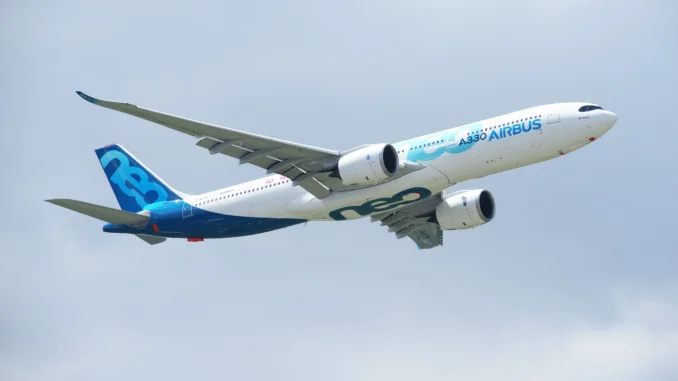
Airbus A330: Technical Fact Sheet and Overview
The Airbus A330 is a medium- to long-range, wide-body commercial jet airliner developed and manufactured by Airbus. Featuring a twin-engine layout, it offers high operational efficiency, flexible range options, and wide passenger appeal across international and domestic routes.
General Information
-
Type: Twin-engine wide-body airliner
-
Manufacturer: Airbus
-
First flight: 2 November 1992
-
Status: In service and in production
-
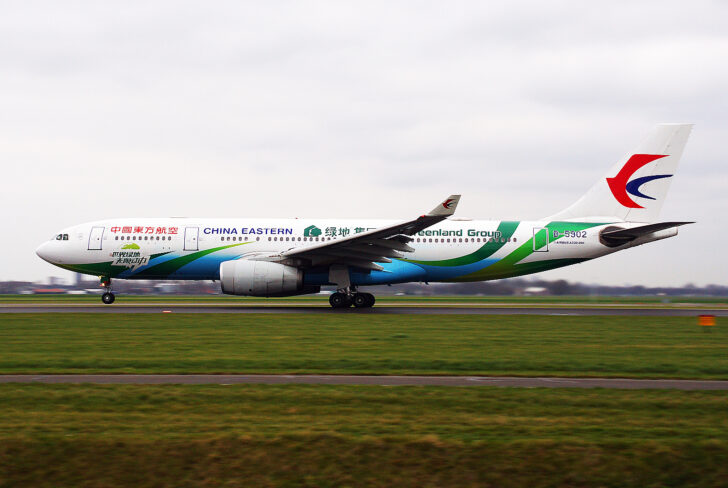
Primary users: Delta Air Lines, Turkish Airlines, China Eastern Airlines, Cathay Pacific, Korean Air, Air France
-
Number built: Over 1,600 units
History
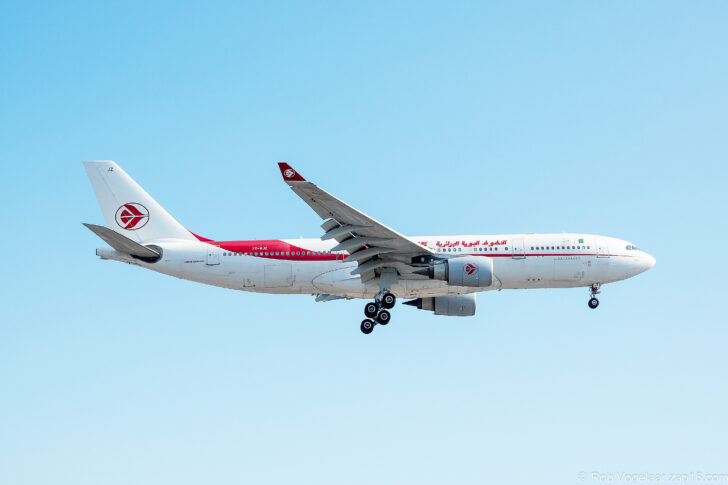
Airbus initiated the Airbus A330 project in November 1987 alongside the four-engine Airbus A340. The design aimed to replace aging Airbus A300 models and compete directly against rival medium-to-long-haul twin-engine aircraft. Launch approval followed extensive consultations with major international carriers and leasing groups.
The original A330-300 variant completed its maiden flight on 2 November 1992. Commercial operations began on 17 January 1994 with French airline Air Inter. Later development led to the shorter, longer-range A330-200, which entered service in April 1998. In 2014, Airbus launched the re-engined A330neo family, extending the production timeline and introducing modern propulsion technology.
Design
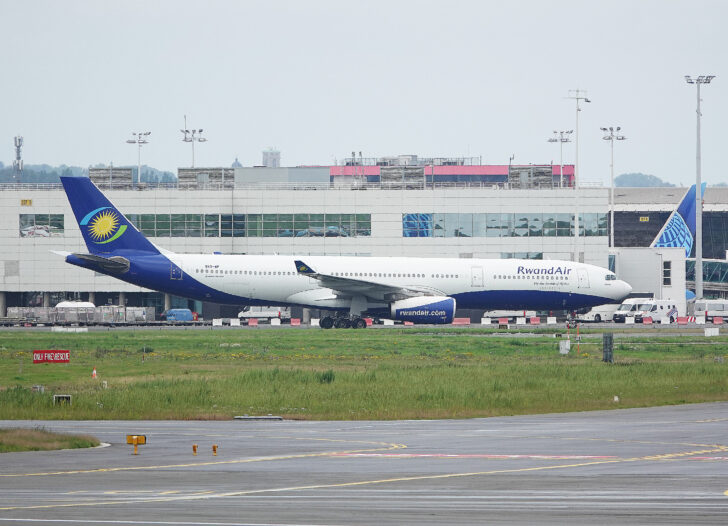
The Airbus A330 utilizes a low-wing cantilever monoplane configuration with an advanced aerodynamic wing structure. Modern glass cockpits incorporate fly-by-wire flight control systems, ensuring high operational commonality with other Airbus aircraft types.
The airframe incorporates composite materials to reduce weight while preserving structural integrity. Power options for original variants include two General Electric CF6, Pratt & Whitney PW4000, or Rolls-Royce Trent 700 turbofan engines. Modern A330neo variants feature Rolls-Royce Trent 7000 engines and aerodynamic winglets.
Operational Impact
The Airbus A330 revolutionized long-haul twin-engine airline operations by securing Extended-range Twin-engine Operational Performance Standards (ETOPS) ratings. This certification allowed twin-engine aircraft to fly direct oceanic and remote routes previously restricted to three- or four-engine jets. The combination of low operating costs, cargo capacity, and passenger comfort made the aircraft a staple for international airlines and cargo operators worldwide.
Variants
-
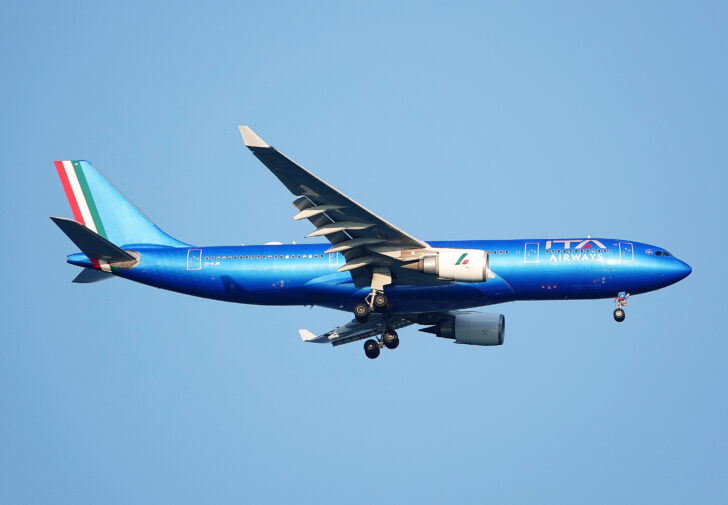
A330-200: Shortened fuselage variant optimized for longer range.
-
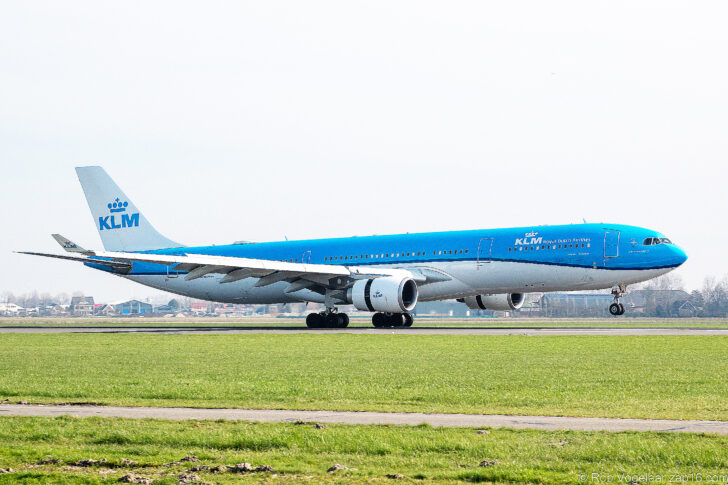
A330-300: Original passenger variant featuring a longer fuselage.
-
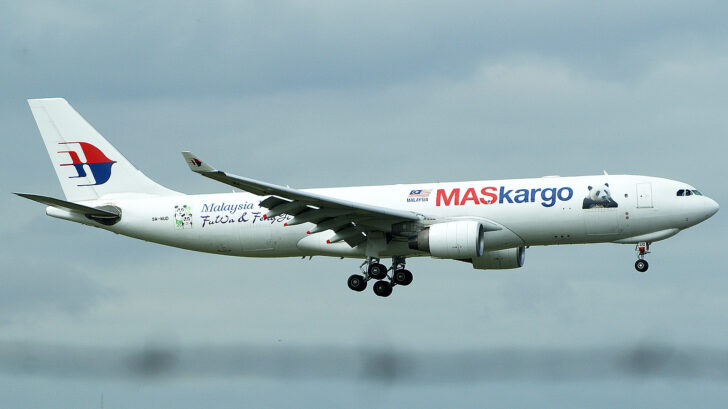
A330-200F: Dedicated freighter derivative designed for main-deck cargo transport.
-
A330P2F: Passenger-to-freighter conversion program.
-
A330-800: Re-engined A330neo variant based on the A330-200 fuselage dimensions.
-
A330-900: Re-engined A330neo variant based on the A330-300 fuselage dimensions.
-
A330 MRTT: Military multi-role tanker transport version.
-
ACJ330: Corporate VIP jet variant.
Operators
-
Current: Delta Air Lines, Turkish Airlines, Cathay Pacific, China Eastern Airlines, Air France, Qantas, Korean Air
-
Former: Air Inter, Canada 3000, Sabena, LTU International
Specifications
General Characteristics
-
Crew: 2 flight deck crew
-
Length: 58.82 meters (A330-200) / 63.69 meters (A330-300)
-
Wingspan: 60.30 meters (A330ceo) / 64.00 meters (A330neo)
-
Height: 17.39 meters (A330-200) / 16.79 meters (A330-300)
-
Fuselage diameter: 5.64 meters
-
Empty weight: 120,000 kilograms to 129,000 kilograms
-
Maximum takeoff weight: 242,000 kilograms (A330ceo) / 251,000 kilograms (A330neo)
Performance
-
Maximum speed: Mach 0.86 (914 kilometers per hour at altitude)
-
Cruising speed: Mach 0.82 (871 kilometers per hour)
-
Range: 13,450 kilometers (A330-200) / 11,750 kilometers (A330-300) / 13,334 kilometers (A330-900)
-
Service ceiling: 12,500 meters
Passengers Layout
-
Three-class configuration: 250 to 290 seats
-
Two-class configuration: 293 to 335 seats
-
Maximum certified seating: 440 passengers
The Airbus A330 stands as one of the most commercially successful wide-body airliners in modern aviation history. Its versatile design balances range capability with high passenger and cargo efficiency across various routing models. With ongoing deliveries of the re-engined A330neo family, the platform will continue serving international routes for decades to come.